YOUR MATERIAL. YOUR NEXT BREAKTHROUGH.Explore free feasibility testing →

PLANETARY CENTRIFUGAL MIXING

SK-300 SII

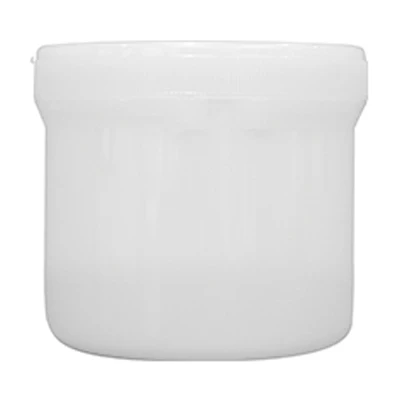
Single 300 mL cup

Compact single-cup mixing with medium and wave modes for formulation development.

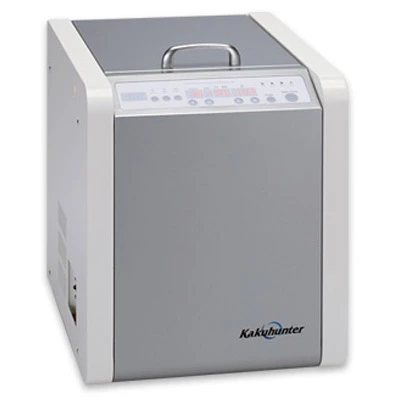
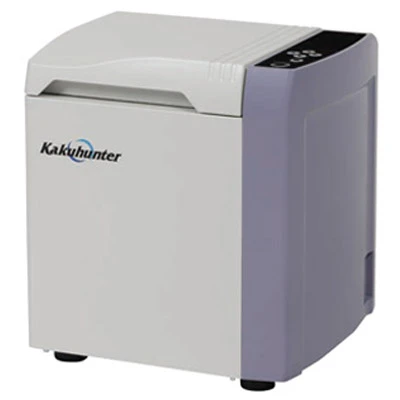
SK-300 SII single 300 ml planetary centrifugal mixer
Vessel format
Single 300 mL cup
Published load / position
310 g
Vacuum assistance
Non-vacuum model

Cup sizes are nominal vessel volumes, not useful fill. Published loads are per position; confirm vessel inclusion and the selected adapter. Plate and barrel holders require configuration-specific review.

Two motions. One mixing process.

Planetary centrifugal motion combines vessel rotation with revolution around a central axis. Material is mixed inside the supported vessel without a conventional immersed blade.

Single-cup laboratory work.

Full model description

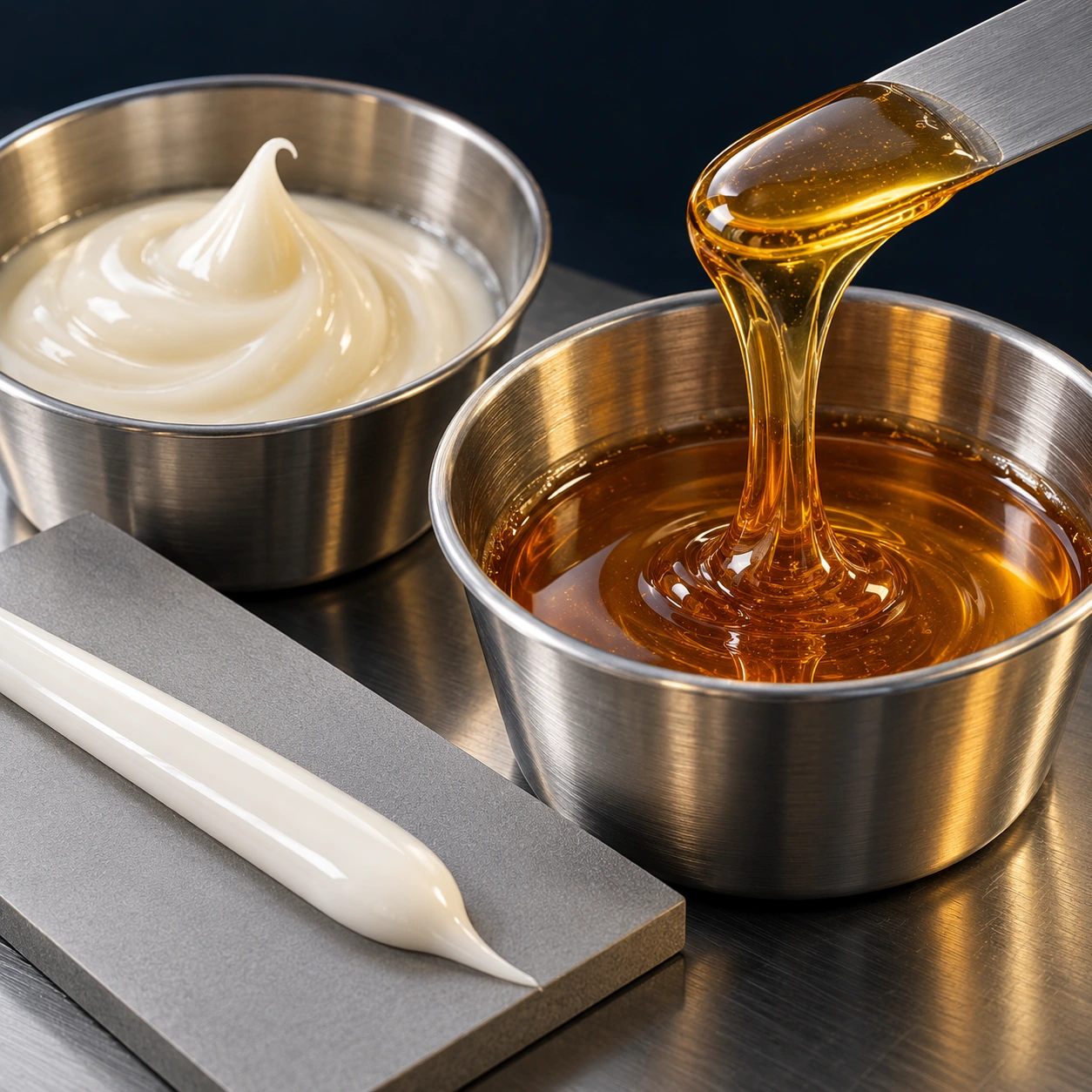
The single-cup planetary centrifugal mixer is designed for fast, uniform mixing of low- and high-viscosity fluids, pastes, slurries, adhesives, coatings, powders, and composite materials. Using a high-speed planetary motion, the 300 mL mixing cup rotates and revolves simultaneously to create powerful shear and circulation without the need for blades or agitators. This bladeless design helps reduce material loss, simplifies cleanup, and minimizes cross-contamination between batches.

In addition to mixing, the system efficiently degasses and defoams materials during processing, removing trapped air bubbles to improve product consistency, appearance, and performance. Compact, precise, and easy to operate, it is ideal for laboratory research, formulation development, quality control, and small-batch production where repeatable mixing results are critical.
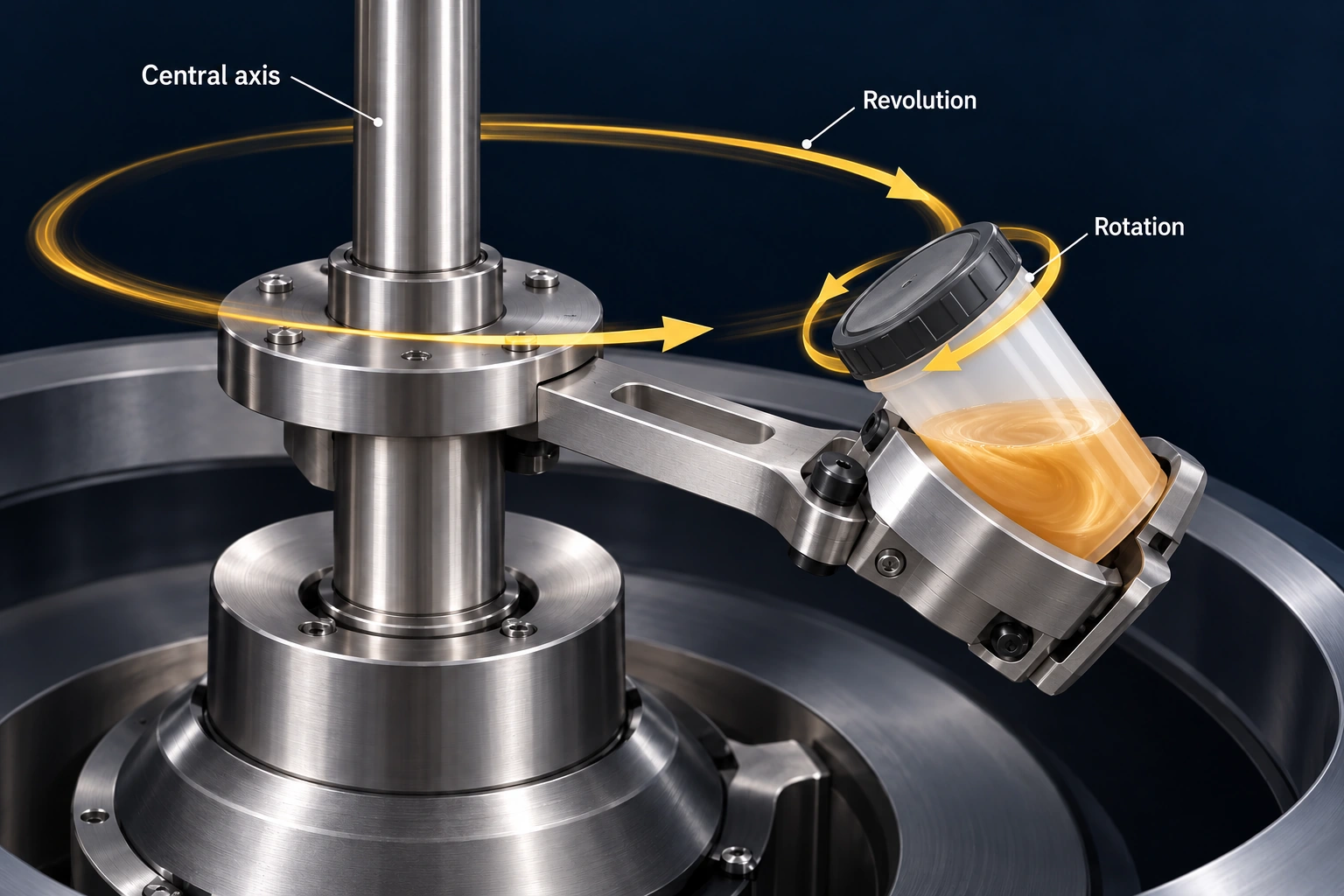
Single tilted mixing cup rotating on its own axis while revolving around a central shaft
Conceptual planetary motion. Select the image to enlarge.

Controls and handling.

Mixing mode
Standard rotation and revolution for general mixing.
Medium mode
A lower rotation ratio helps limit heat generation.
Wave mode
Accelerating and decelerating motion supports mixing and dispersion.

Mixing and medium modes

Generation of heat from mixing is suppressed by lowering the ratio of rotation from the conventional mixing mode, and materials that are sensitive to temperature rises can also be processed.

■ Wave Mode
Mixing / dispersing can be performed more smoothly and effectively by accelerating and decelerating the speeds of revolution and rotation.

Throughput: 300ml (310g) x 1 cup

SK-300 SII – Single 300 ml Cup illustration 1

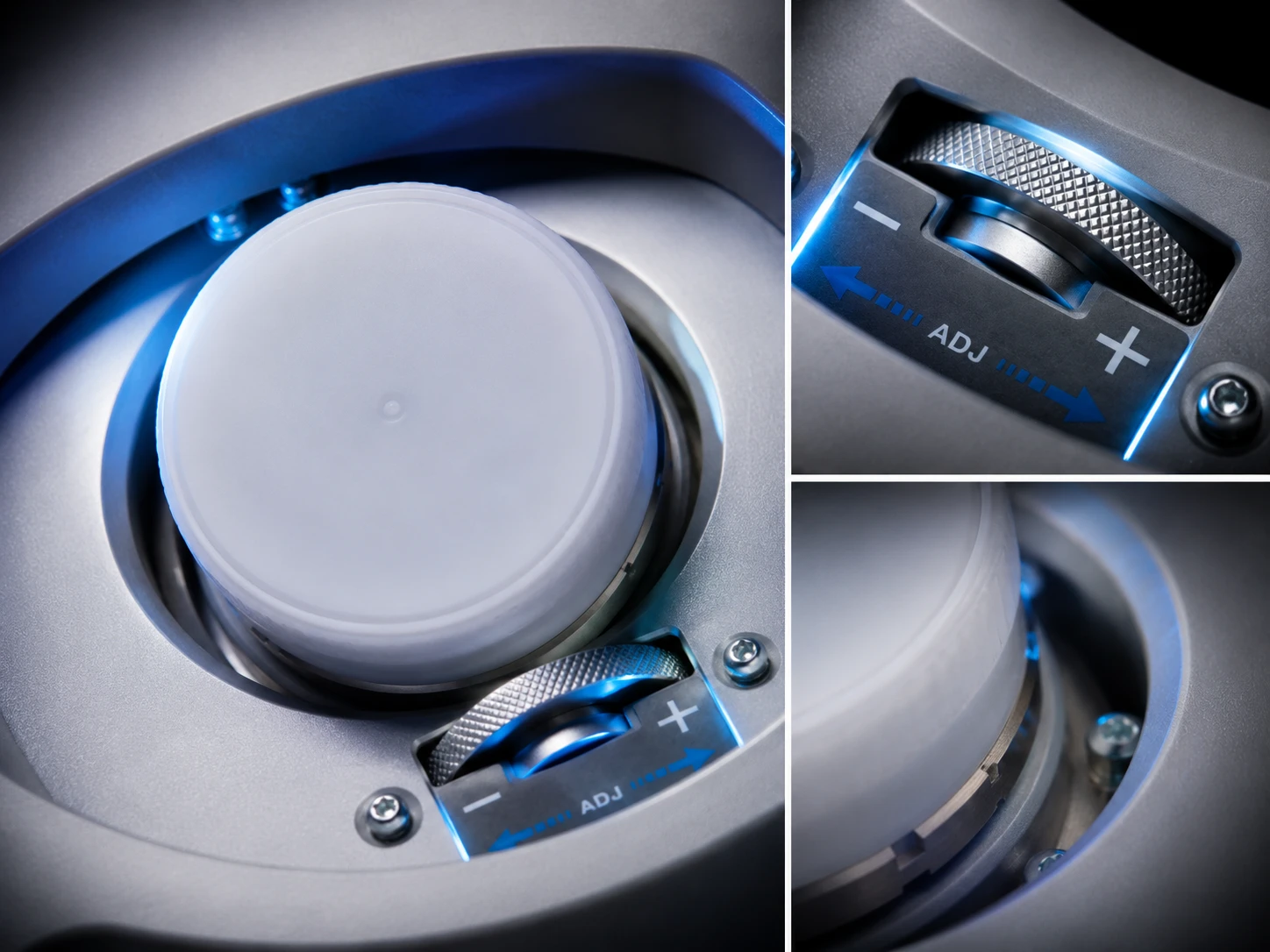
Balance navigation

The balance can be adjusted easily by unbalance detection and the balance navigation function.

Lid interlocks and alarms

The safety-conscious design includes mechanisms to lock the top lid during operation, to prevent operation when the top lid is open, and to prevent malfunctions.

In addition, you can use the machine with peace of mind thanks to the comprehensive alarm/notification functions, including unbalance detection, motor abnormality, and maintenance.

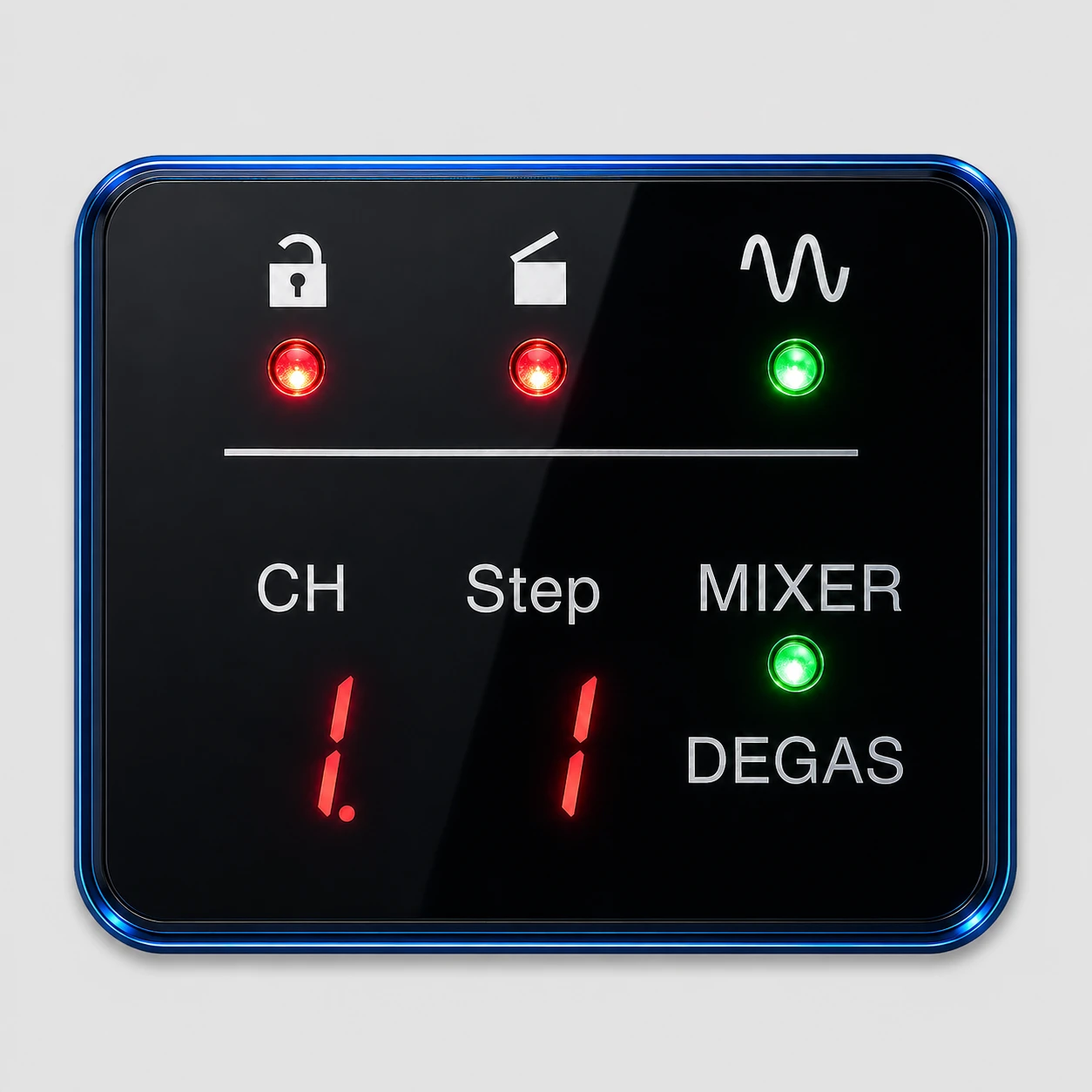
SK-300 SII front control panel

Mode Setting According to Application

For the SK-300SII, the medium mode is newly added to the conventional “mixing mode / defoaming mode.”

While easy operation remains unchanged, it is now possible to select modes to suit a  wider range of applications and materials.

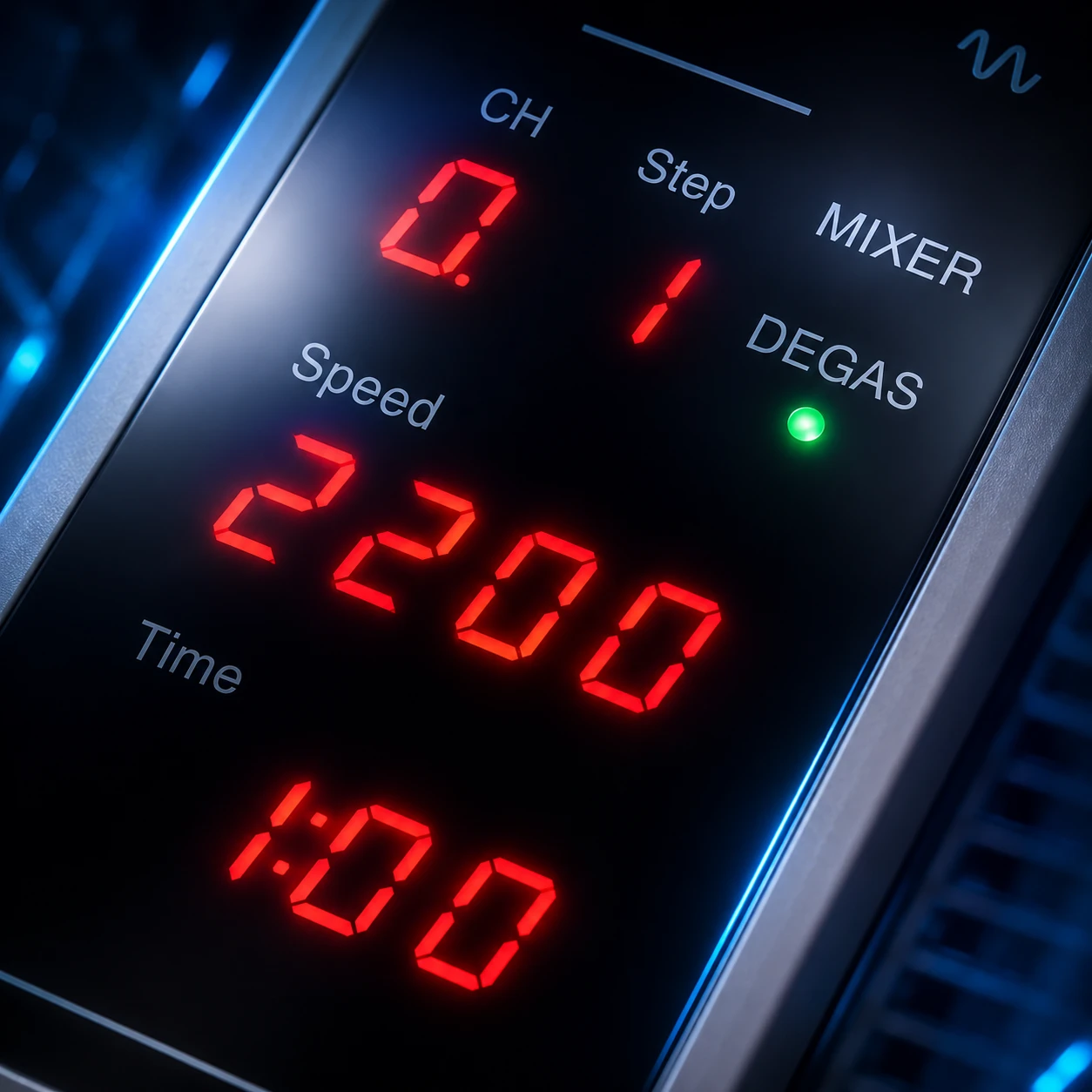
SK-300 SII front control panel display
SK-300 SII mixing cup holder collage

Find your application fit.

Application examples

Find the material family closest to your work. Select an image to examine the example materials.

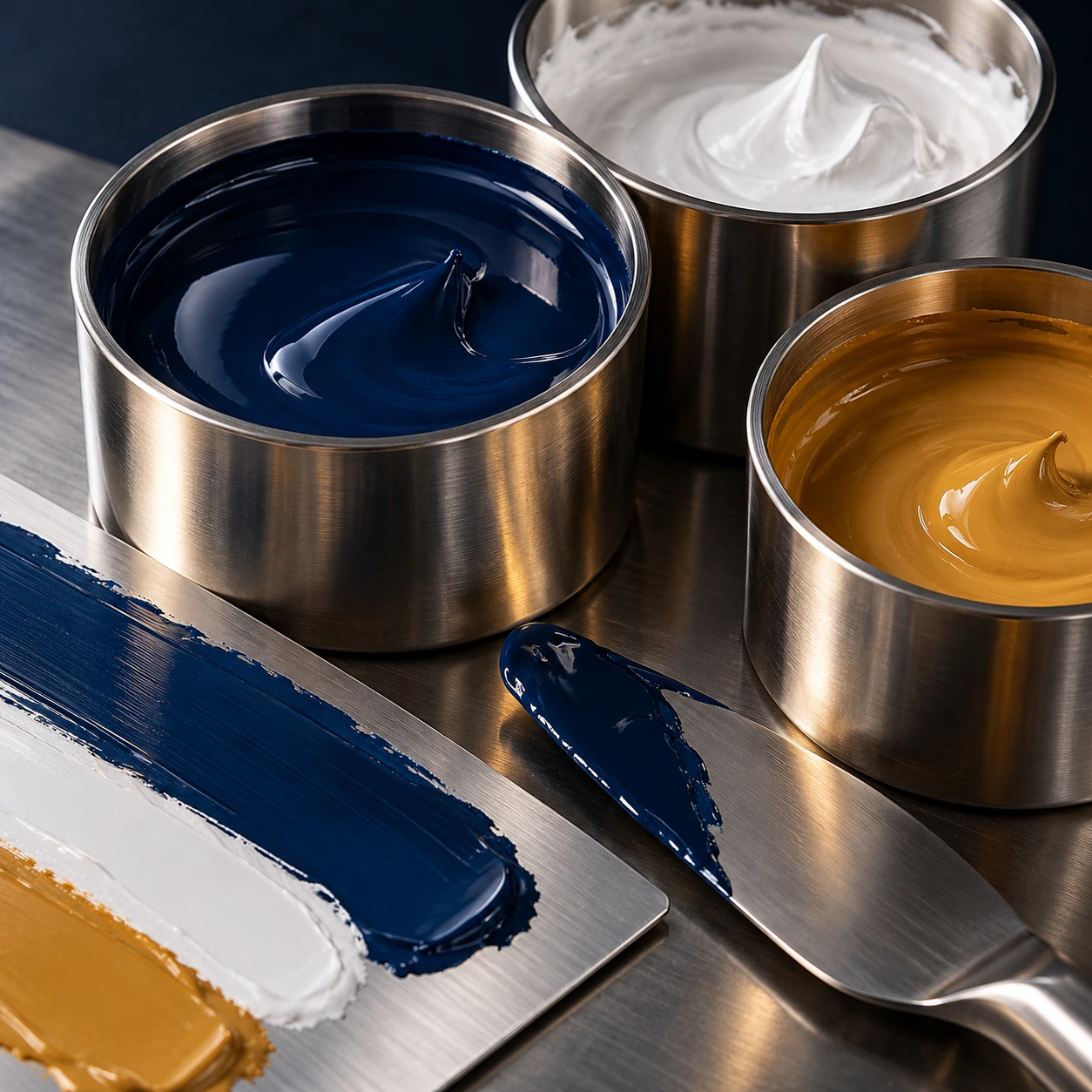
Adhesives & sealants formulation materials, illustrative image

Adhesives & sealants

Mixing and air removal for epoxy, silicone and filled adhesive or sealant formulations.

Coatings, inks & paints formulation materials, illustrative image

Coatings, inks & paints

Preparing pigment, binder and coating formulations with attention to dispersion and entrapped air.

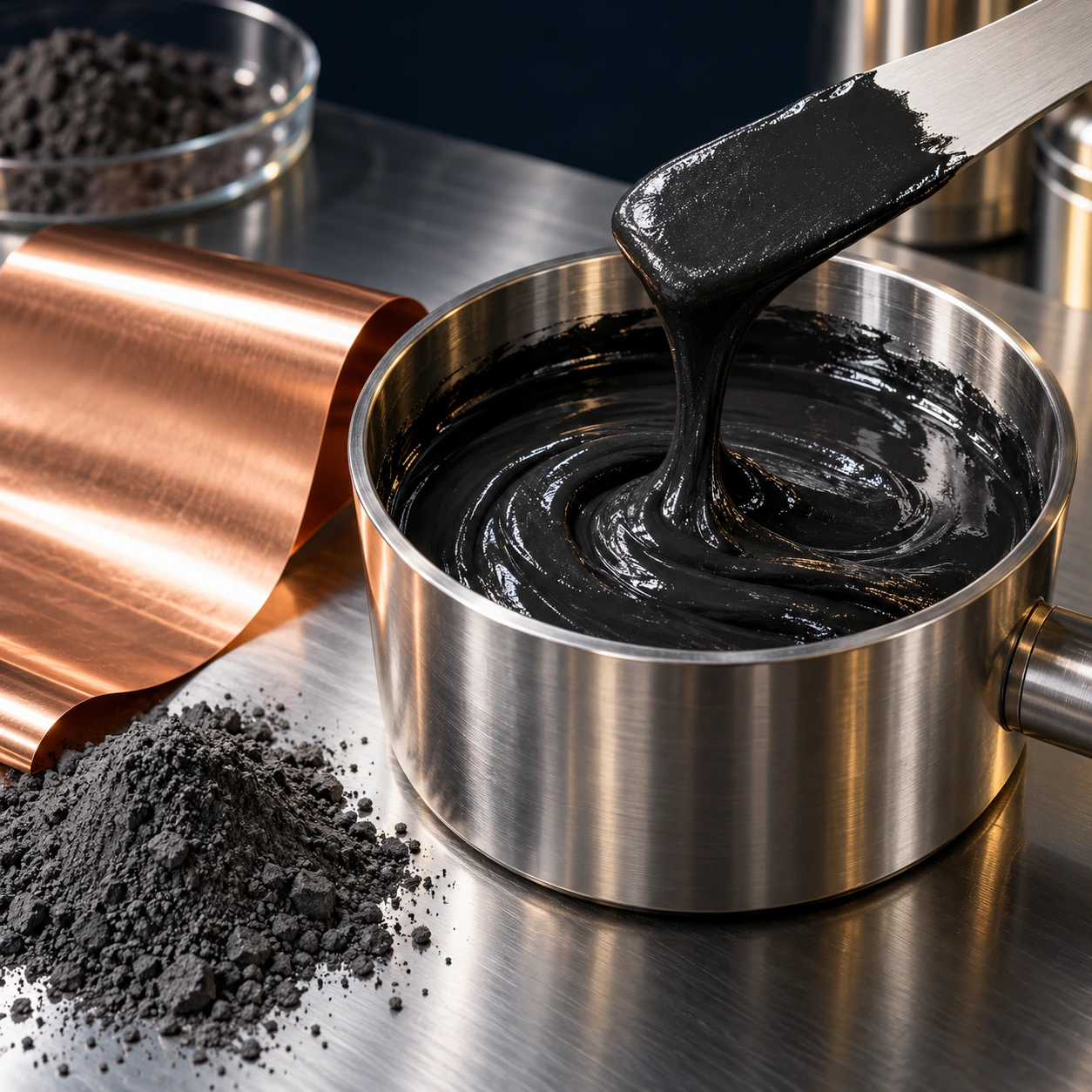
Battery & energy materials formulation materials, illustrative image

Battery & energy materials

Mixing electrode slurries, conductive pastes and other energy-material formulations.

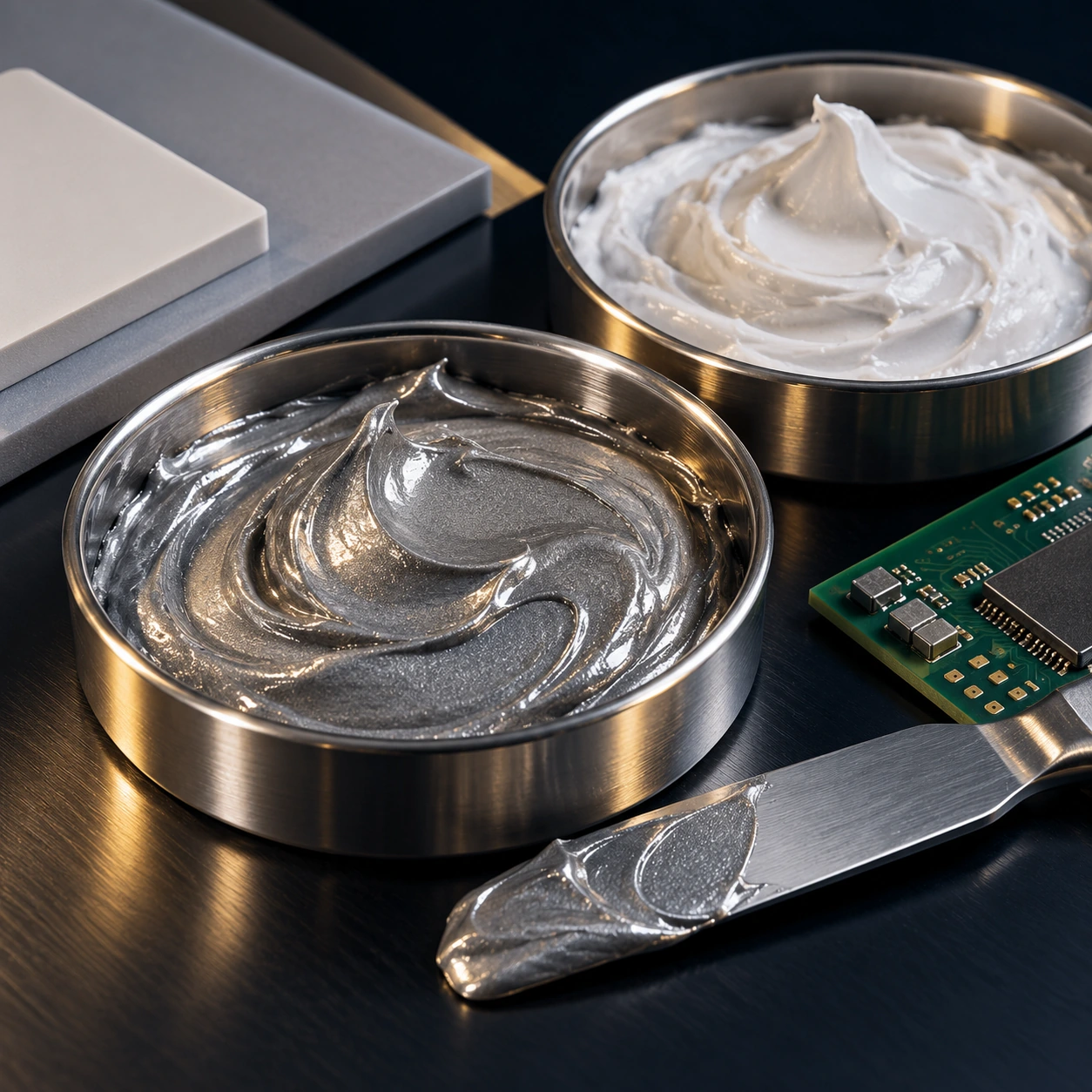
Electronics & advanced materials formulation materials, illustrative image

Electronics & advanced materials

Preparing conductive, thermal and ceramic pastes for materials development.

Pharmaceutical & medical materials formulation materials, illustrative image

Pharmaceutical & medical materials

Exploring mixing and deaeration methods for research formulations and medical materials.

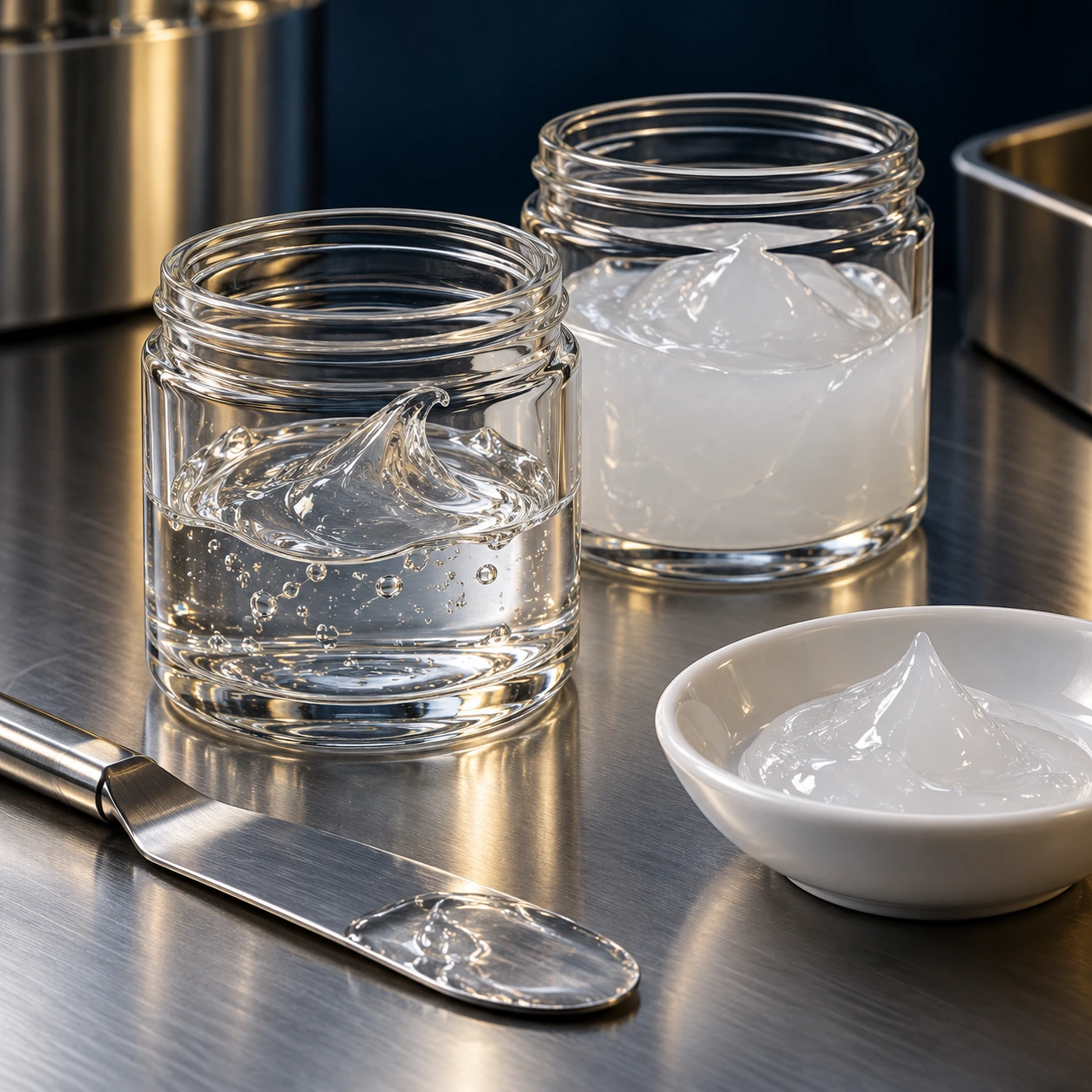
Cosmetics & personal care formulation materials, illustrative image

Cosmetics & personal care

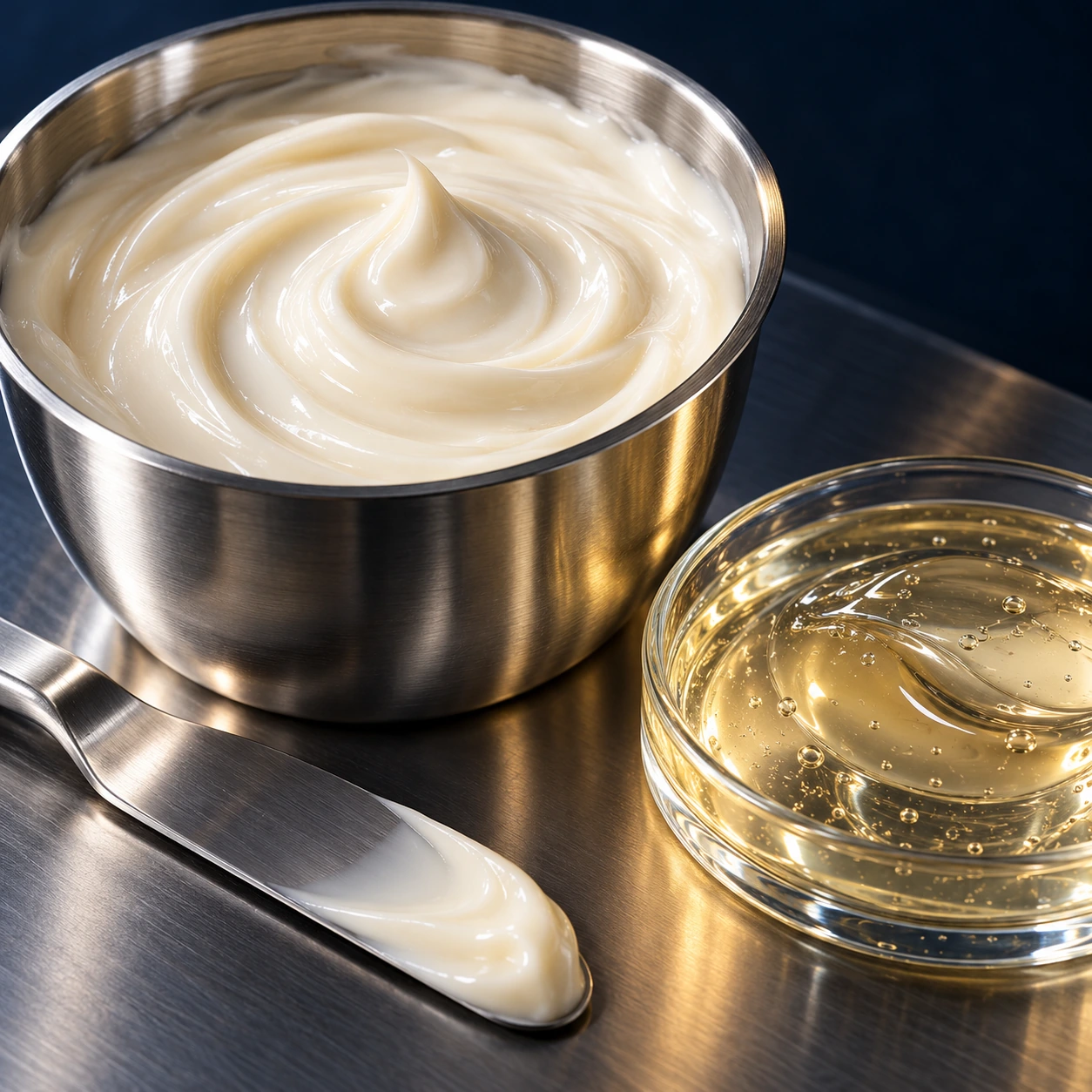
Mixing creams, gels and other personal-care formulations while managing entrapped air.

Chemical & polymer formulations formulation materials, illustrative image

Chemical & polymer formulations

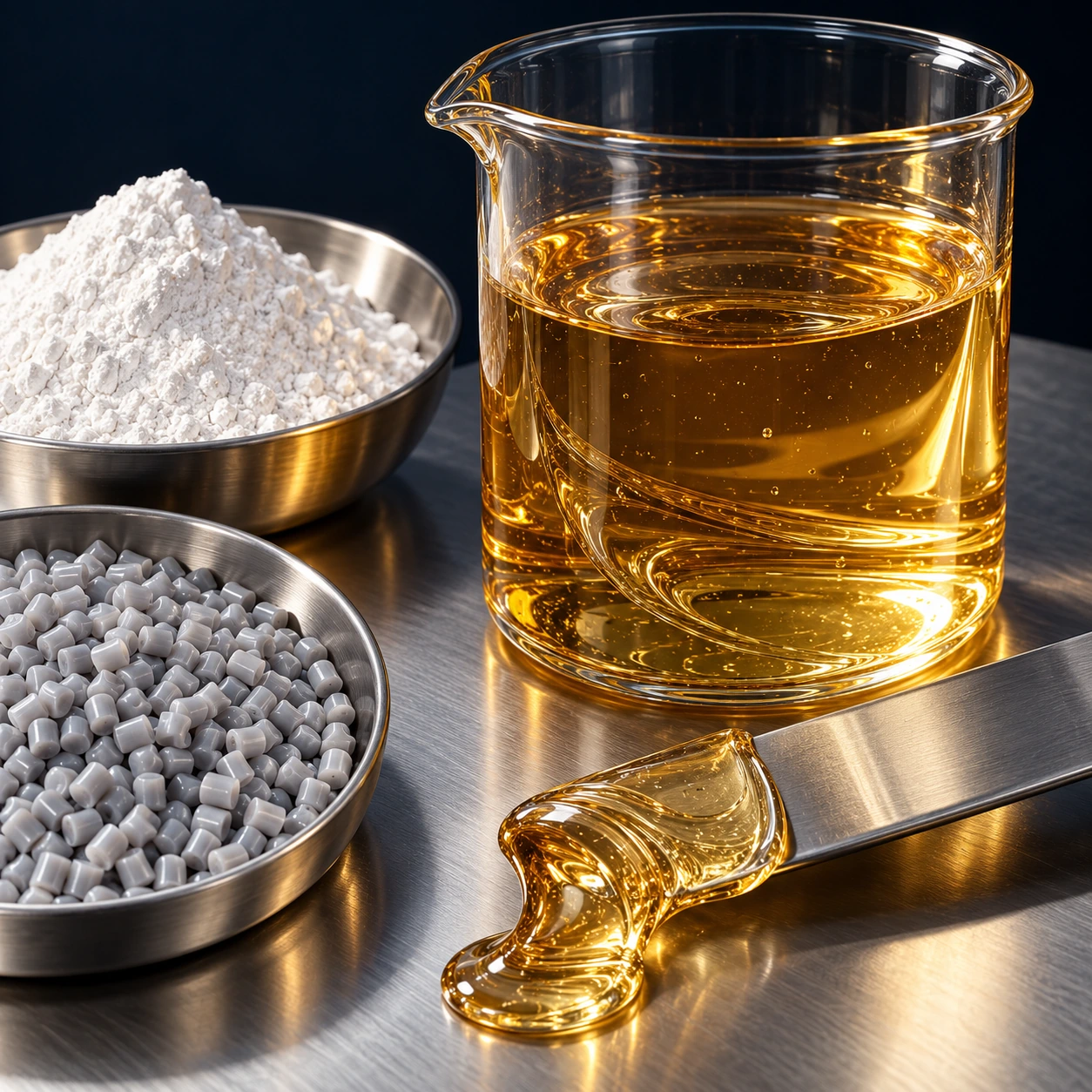
Combining resins, fillers and additives in chemical and polymer formulation work.

Food & consumer product R&D formulation materials, illustrative image

Food & consumer product R&D

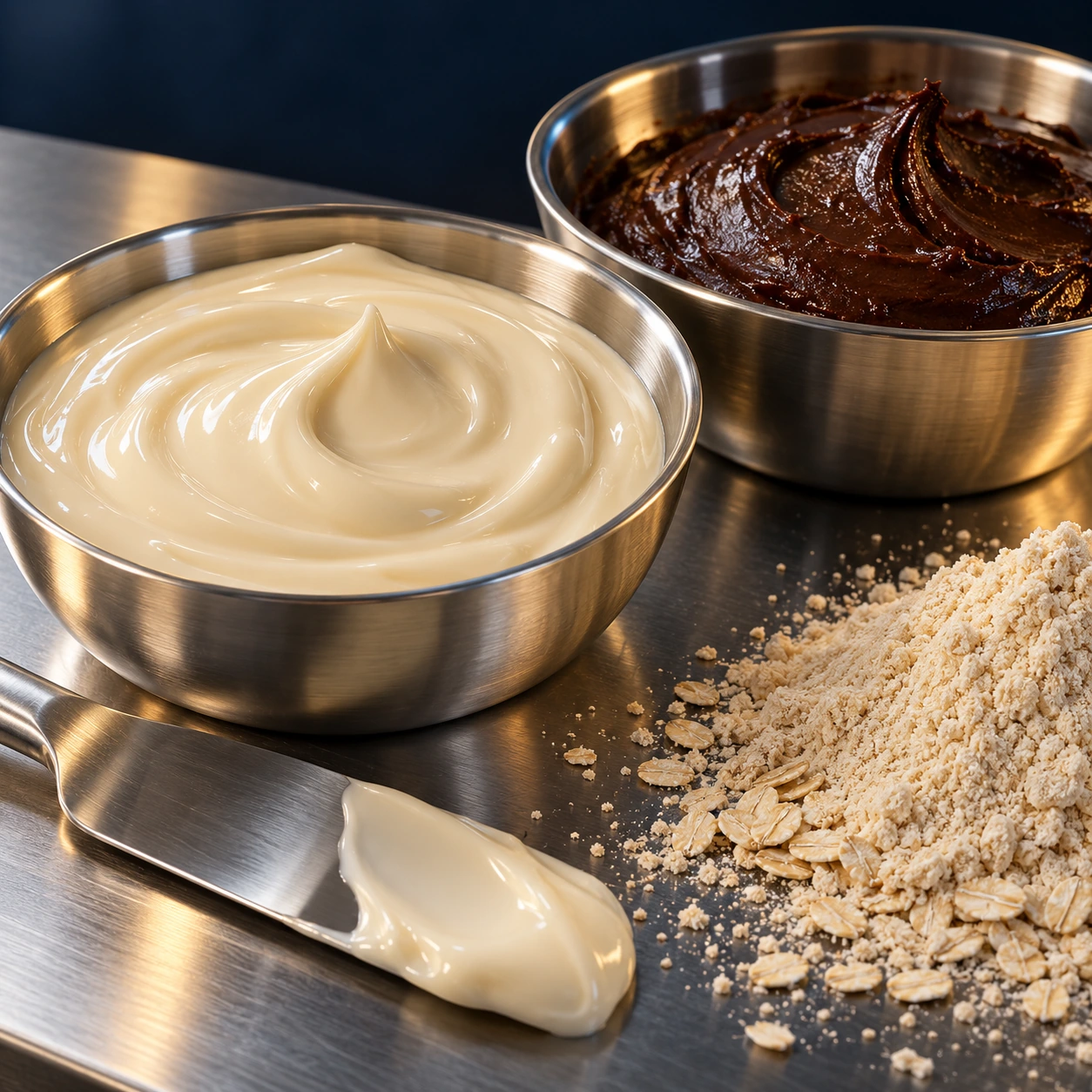
Developing mixtures, pastes and other sample formulations for product research.

Illustrative material families guide an application discussion. Confirm the vessel, material compatibility and processing conditions for your formulation.

FORMULATION EXAMPLES

Before and after processing.

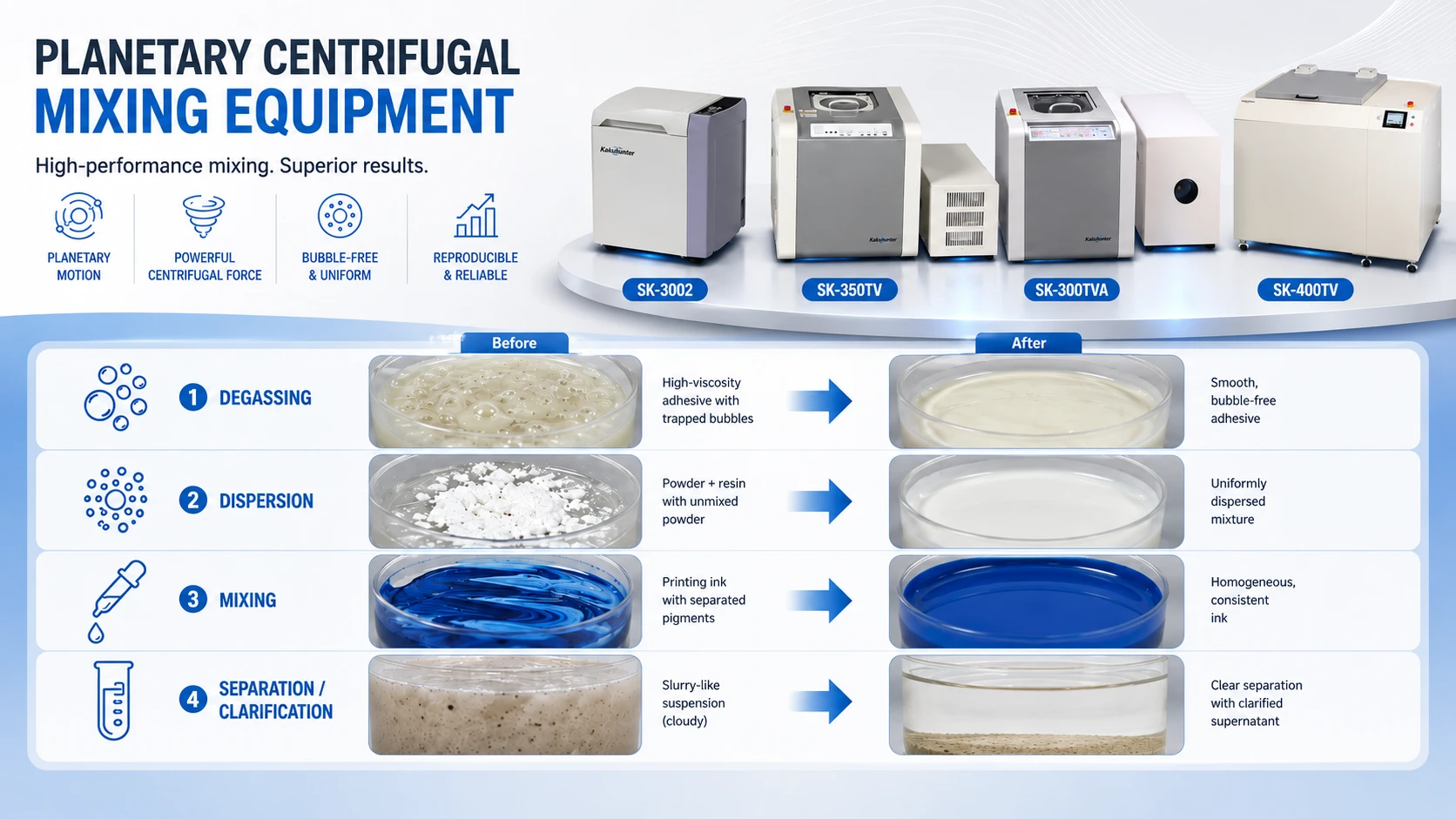
Four illustrated changes to discuss around your material and desired result.

Degassing

Reduce visible air in a viscous formulation.

Before
Before: High-viscosity adhesive with trapped bubbles.
High-viscosity adhesive with trapped bubbles.
After
After: Smoother adhesive with fewer visible bubbles.
Smoother adhesive with fewer visible bubbles.

Dispersion

Distribute a powder through its resin carrier.

Before
Before: Powder and resin with unmixed powder.
Powder and resin with unmixed powder.
After
After: A more uniformly dispersed mixture.
A more uniformly dispersed mixture.

Mixing

Bring separated pigment components into a consistent mixture.

Before
Before: Printing ink with separated pigments.
Printing ink with separated pigments.
After
After: A more homogeneous ink mixture.
A more homogeneous ink mixture.

Separation and clarification

For workflows that call for clarification rather than continued suspension. Review whether this outcome fits the application.

Before
Before: Cloudy, slurry-like suspension.
Cloudy, slurry-like suspension.
After
After: Clearer supernatant above settled solids.
Clearer supernatant above settled solids.

These source illustrations show possible outcomes, not measured performance for your formulation. Results depend on the material, vessel, settings and selected configuration. Confirm the approach with a representative trial.

Vessels, adapters and optional monitoring.

Compatible with 300ml Containers / Max. 310g

Compact mixer/degasser which can process 300ml containers weighing a maximum of 310g (gross weight). 

Additional optional container shapes, barrels, and syringes are available through custom adapters.

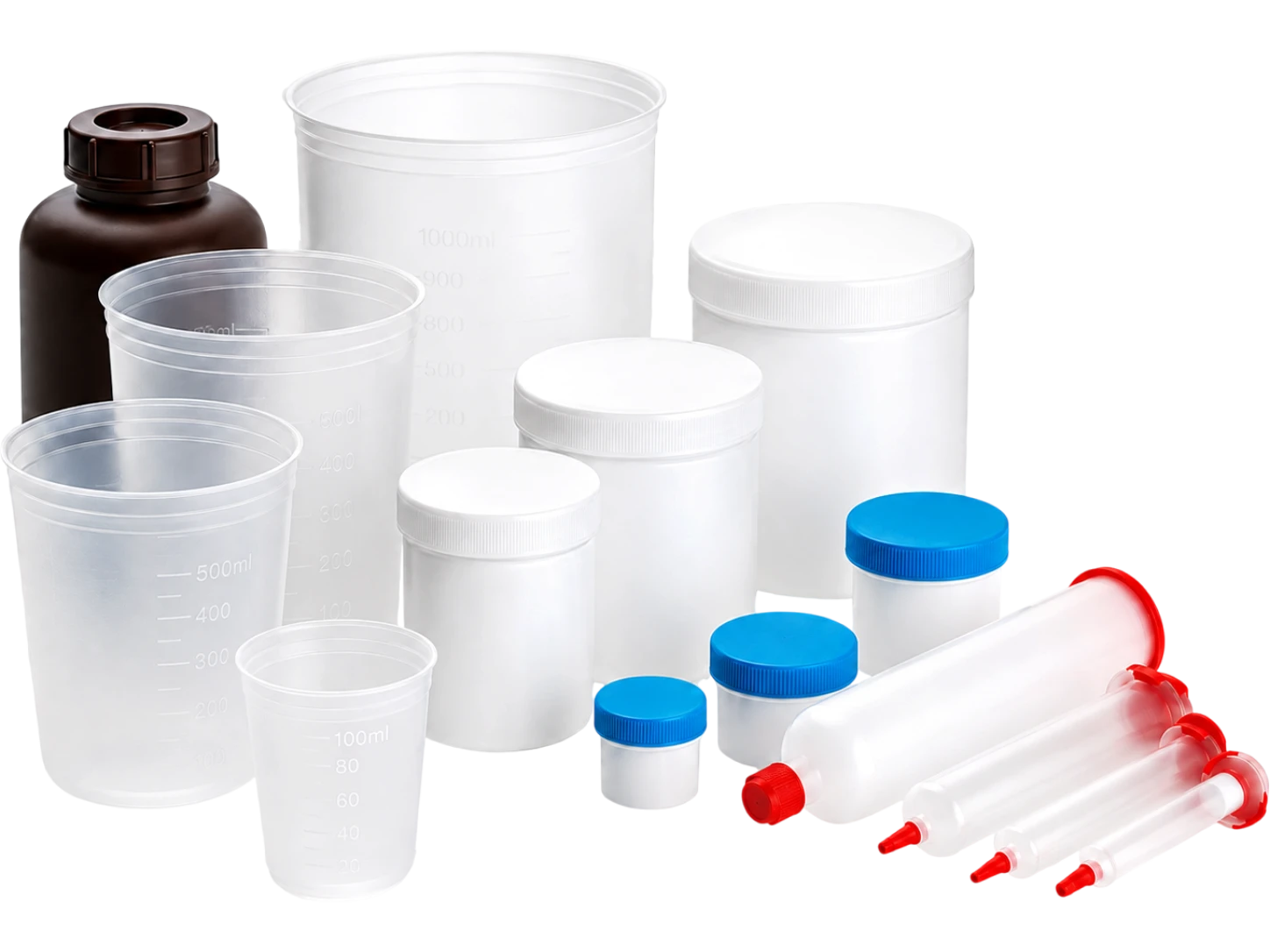
Mixing cups and containers for SK planetary centrifugal mixers

Optional temperature monitoring

The optional Kakuhunter Temperature Monitoring System allows users to measure and monitor material temperature in real time during the mixing process. This accessory helps improve process control, supports repeatable results, and provides added protection for temperature-sensitive materials.

  • Measures and monitors material temperature while mixing
  • Displays real-time temperature data from the integrated temperature sensor
  • Provides alarm notifications when the measured temperature exceeds the preset upper or lower limit
  • Allows measured temperature data to be exported in CSV format for recordkeeping and analysis
  • Compatible with 300 mL, 400 mL, and 1100 mL containers

For temperature-sensitive formulations

· Materials are damaged by temperature rises.
· Materials harden with temperature rises.
· The composition of materials changes or their components volatilize, etc.

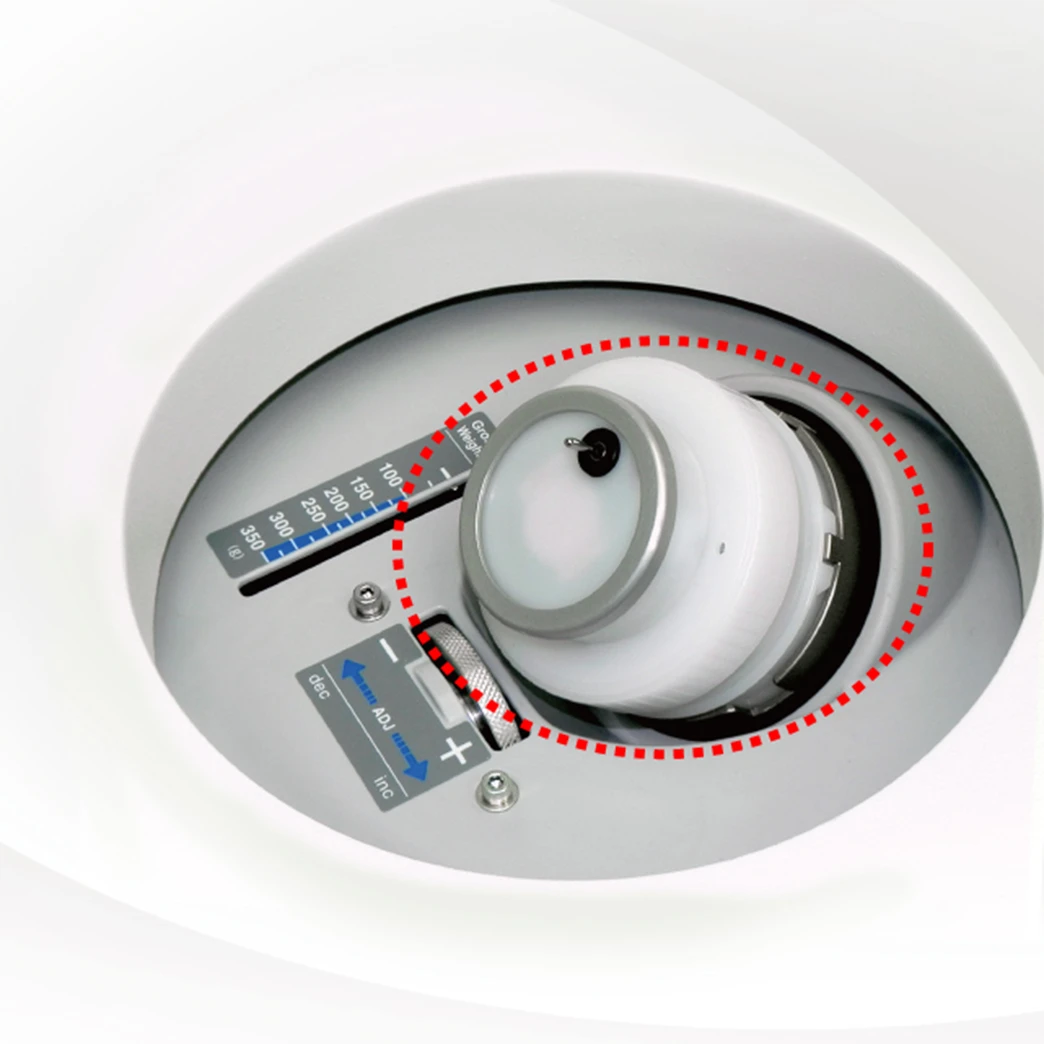
Non-contact temperature sensor inside an SK planetary centrifugal mixer

Optional temperature monitoring kit: components

Three components for the optional temperature monitoring system.

Select an image to view it larger.
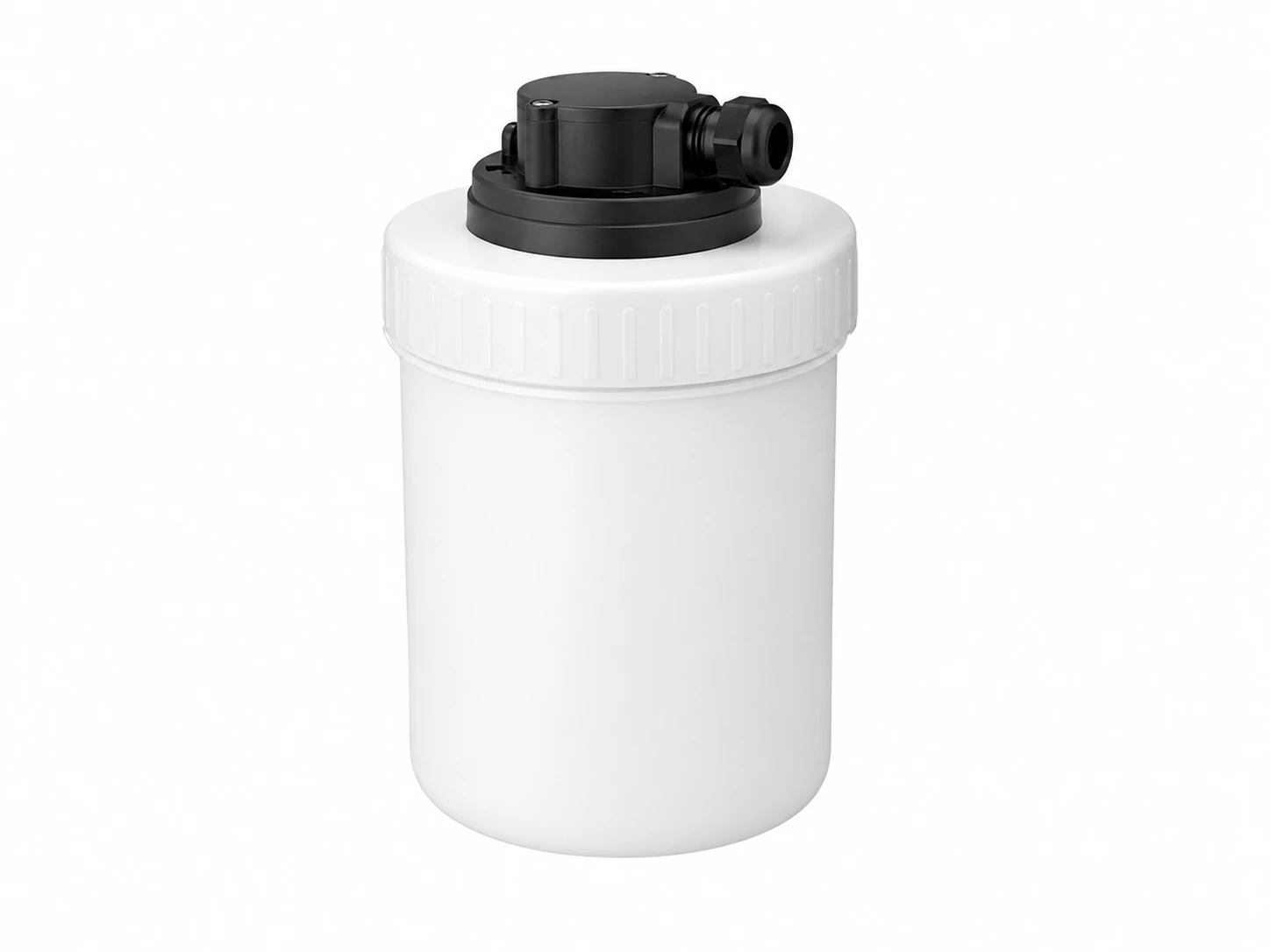
Mixing container with temperature sensor for SK planetary centrifugal mixers

Container & transmitter

Container with temperature transmitter cover assembly.

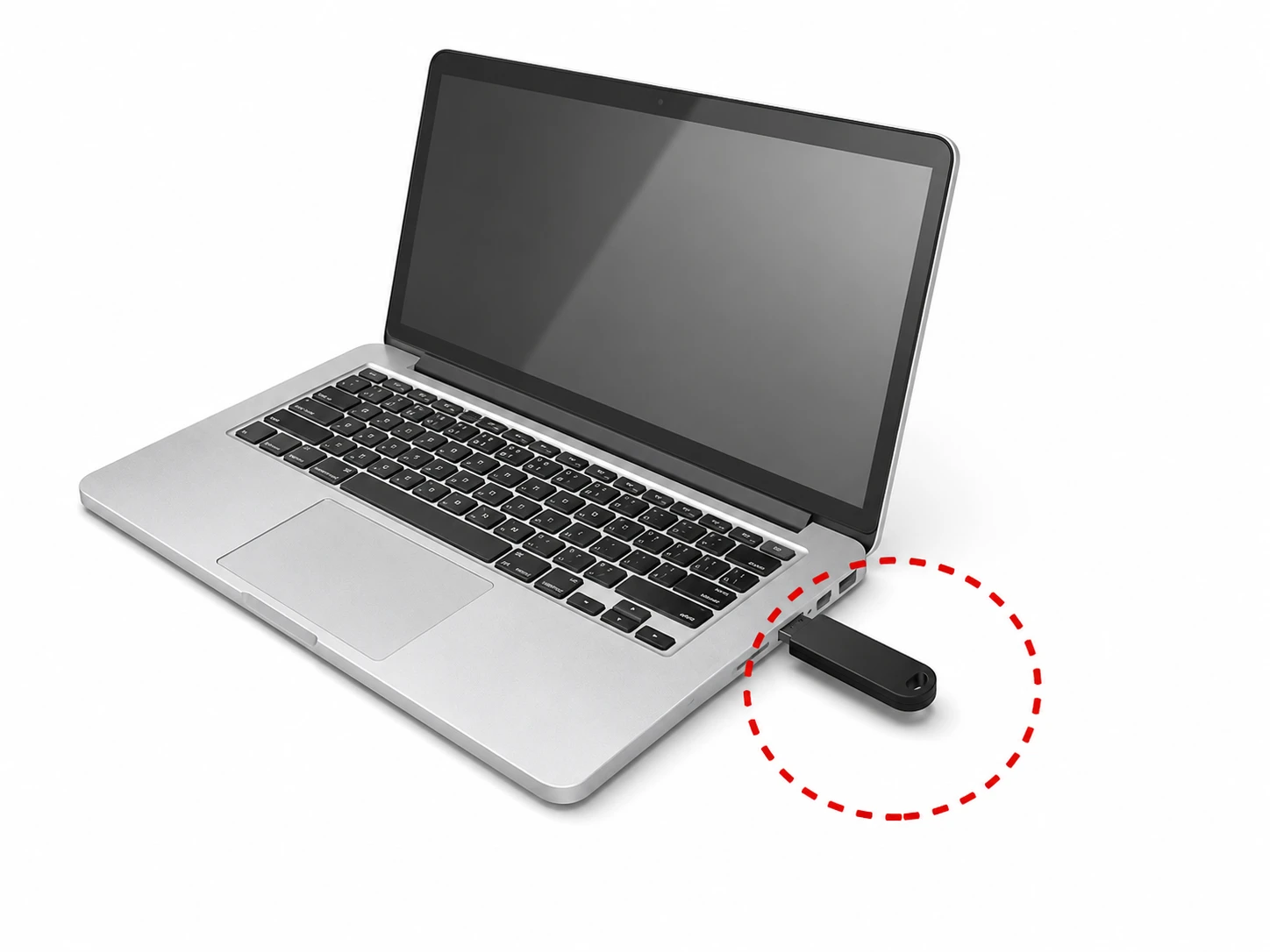
Laptop with wireless receiver for SK mixer temperature monitoring

Wireless receiver

Receiver for customer computer

Computer shown for context.

Temperature monitoring application software display

Monitoring software

Sensor Application Software

Technical specifications.

On a small screen, swipe across the table to see every column.

Model data

Cup size 300ml x 1 cup
Various syringes of 30cc or less
Max throughput 310g x 1 cup
Other containers A variety of containers and syringes can be used by use of an adapter
Speed of revolution Mixing mode 200~2000rpm
* Medium mode 200~2000rpm
Defoaming mode 400~2200rpm
Speed of rotation Mixing mode Follow-up at 40% with respect to the revolution
* Medium mode Follow-up at 20% with respect to the revolution
Defoaming mode Follow-up at 3% with respect to the revolution
Settable time Max 30 min. (total of 9 steps)
Step mode 9 steps
Continuous operation can be performed with 9 different types of operation patterns (condition settings).
Conditions setting memory User-settable channels 7 CH
Fixed data channels 3 CH
Power supply voltage Single-phase 100-120V
Single-phase 200-240V
50/60Hz
Power consumption 0.4 kW/1.38kW
External dimensions W340×D315×H370(mm)
Weight of the main unit Approx. 24kg

: Above descriptions may change without notice.
*・Medium mode/Wave mode are exclusively for SK-300SII.
・Wave mode has revolving speed limitation ( Revolution: 1,000-1,790 rpm/ Rotation: about 400-716rpm)

YOUR FORMULATION. YOUR NEXT STEP.

Tell us what needs
to mix better.

Describe the material and the result you need. We will help define a useful equipment configuration or material trial.

  • Formulation, viscosity and any fillers
  • Vessel format and working batch quantity
  • Air removal, dispersion or mixing target
  • Temperature sensitivity and cleaning needs
Discuss rental availability ↗