YOUR MATERIAL. YOUR NEXT BREAKTHROUGH.Explore free feasibility testing →

CUTTING MILLS

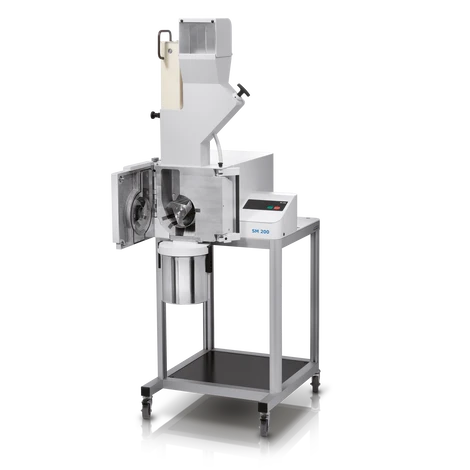
SM 200.
Cutting Mill.

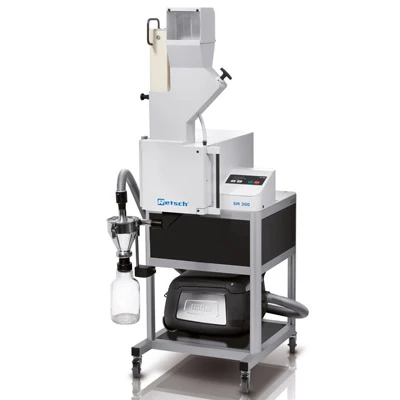
Versatile fixed-speed cutting with a 2.2 kW drive, double-acting cutting bars and optional cyclone collection.

SM 200 Cutting Mill
Drive2.2 kW
Rotor speed1,500 rpm
Feed sizeBelow 60 × 80 mm
Fineness reference0.25–20 mm

THE PRODUCT IN FOCUS

Model overview

A fixed-speed mill for versatile sample preparation

A 2.2 kW drive, double-acting cutting bars and optional cyclone collection make the SM 200 a versatile choice for soft, medium-hard, tough, elastic and fibrous samples. It adds power and collection flexibility while retaining straightforward operation at 1,500 rpm.

Feed must be below 60 × 80 mm. Choose a rotor, hopper and bottom sieve around the sample’s shape, cutting behavior and analytical requirements. The published fineness range is 0.25–20 mm; actual results depend on the material and method.
PERFORMANCE & OPERATION

Features. Operation. Handling.

Cut. Screen. Collect.

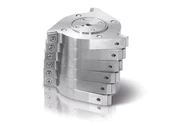
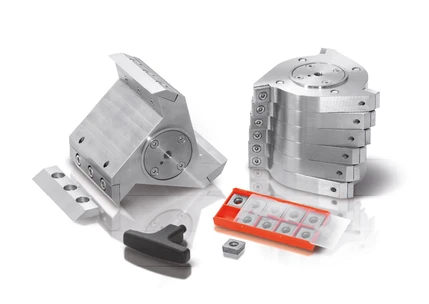
Rotating blades shear the feed against stationary cutting bars. The parallel-section rotor applies a strong cutting action, while the six-disc rotor uses spirally arranged reversible hard-metal plates to cut in sequence. Material leaves the chamber through the bottom sieve once it can pass the openings, limiting residence time.

Double-acting cutting bars increase the number of cutting events. A parallel-section rotor produces 18 cutting events per revolution. Use gravity discharge for suitable samples, or the optional cyclone and suction combination to improve removal of light material and help cool the sample and cutting tools.

Access for cleaning and safe operation

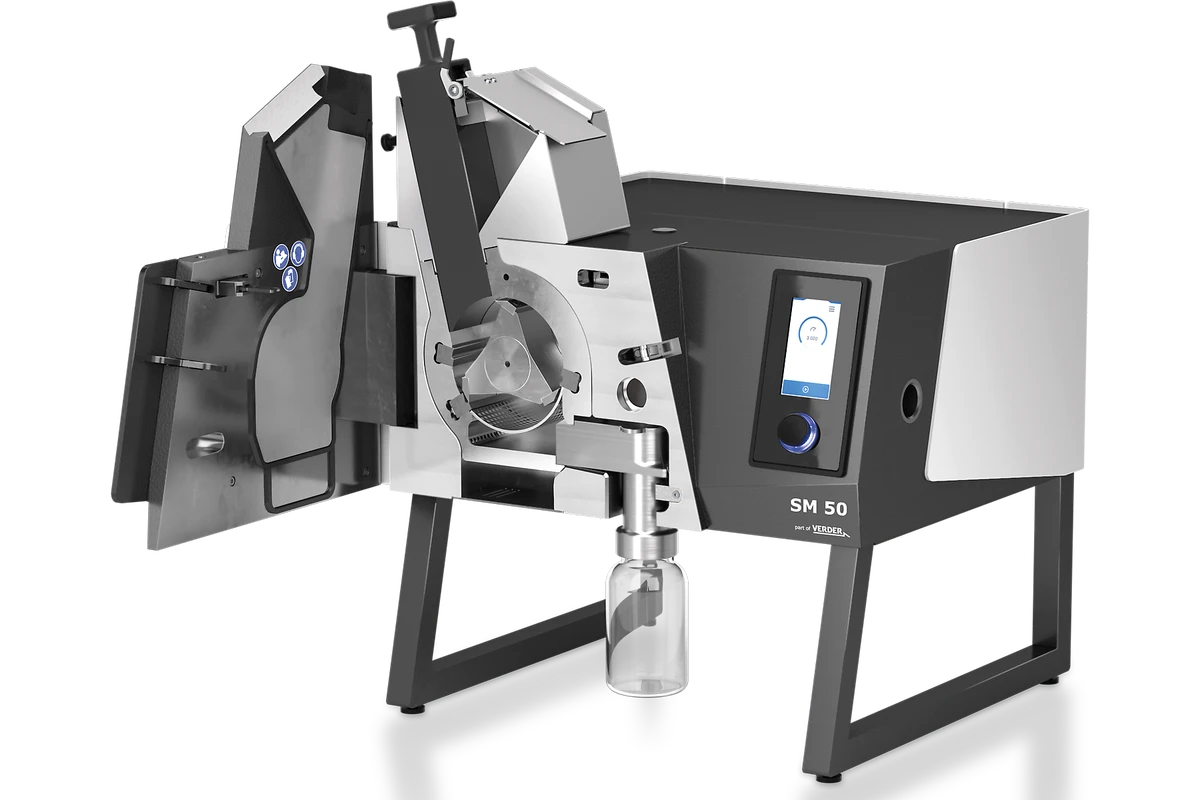
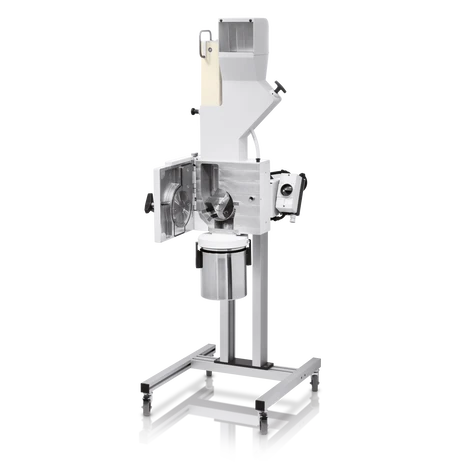
Smooth internal surfaces, removable sieves and a push-fit rotor simplify cleaning and sample recovery. The hopper folds back for chamber access and the rotor removes without tools. An engine brake, central locking and electronic safety checks control access: operation is prevented with the door open, and the door remains locked while the motor is running.

APPLICATIONS & METHODS

Build the process around the sample.

Biological, agricultural and food samples

Explore preparation of plant material, straw, wood, animal feed, feed pellets, food, spices, nuts and suitable bone or fish samples. Check moisture, toughness and temperature sensitivity when setting up the method.

Polymers, textiles and recycling

Typical cutting-mill samples include PET preforms, plastics and polymers, plastic toys, foils, rubber, resins, leather, paper, cardboard, textiles, cables, electronic components, refuse-derived fuel and other heterogeneous waste. Pharmaceutical products and material mixtures are additional areas to review.

Some applications include lignite, aluminum slag or nonferrous metal-containing samples. These require a material-specific review; they do not establish suitability for arbitrary hard metal or mineral pieces.

TOOLS & CONFIGURATION

The right tools for the task.

Rotor and cutting-tool materials

Choose a parallel-section or six-disc rotor. Stainless steel and steel configurations for heavy-metal-free preparation are available; tungsten carbide is also listed among cutting-tool materials. Match cutting bars, plates and the complete contact-material arrangement to contamination limits.

Rotor selection for cutting and shearing

Feeding and screening

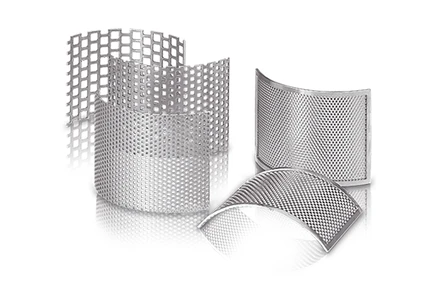
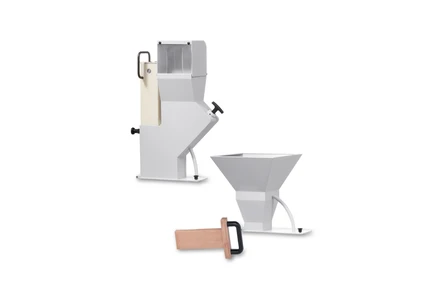
The universal hopper suits many routine samples; the long-stock hopper handles elongated feed. Stainless or heavy-metal-free steel bottom sieves are offered with trapezoid openings of 0.25, 0.50, 0.75, 1.00 and 1.50 mm, and square openings of 2, 4, 6, 8, 10 and 20 mm.

Universal and long-stock hopper options
Bottom sieves with different aperture sizes

Collection and installation

Collection choices include a 5 L receptacle, optional 30 L receiver and 0.25 or 0.5 L collecting units. Receiver volume is not a working batch or throughput rating. The optional cyclone supports receivers of 0.25, 0.5, 1, 2, 5 or 30 L. It can improve discharge, cooling and throughput for suitable light or heat-sensitive samples; validate the complete airflow and collection setup.

TECHNICAL INFORMATION

Specifications & reference data

Model specifications

Applications size reduction by cutting
Field of application agriculture, biology, chemistry / plastics, engineering / electronics, environment / recycling, food, medicine / pharmaceuticals
Feed material soft, medium-hard, tough, elastic, fibrous
Size reduction principle shearing, cutting
Max. feed size < 60 x 80 mm
Final fineness 0.25 - 20 mm
Speed at 50 Hz (60 Hz) 1,500 min-1
Rotor peripheral speed 9.4 - 11.4 m/s
Rotor diameter 129.5 mm
Types of rotors parallel section rotor / 6-disc rotor
Types of hoppers standard, long stock
Material of grinding tools stainless steel, steel for heavy-metal free grinding, tungsten carbide
Sieve sizes trapezoid holes 0.25 / 0.50 / 0.75 / 1.00 / 1.50 mm
square holes 2.00 / 4.00 / 6.00 / 8.00 / 10.00 / 20.00 mm
Collector systems /capacities collecting receptacle 5 l / optional: 30 l
collecting unit 0.25 / 0.5 l
cyclone-suction combination (0.25 l - 30 l)
Drive 3-phase motor
Drive power 2.2 kW
Electrical supply data different voltages
Power connection 3-phase
Engine brake yes
Protection code IP54
W x H x D closed 576 (1090 opened) x 1675 x 760 mm (with base frame and standard hopper)
Net weight ~ 90 kg without hopper
Standards CE

Published values describe the specified configurations. Bottom-sieve aperture does not guarantee a particle-size distribution. Confirm electrical supply, tool materials, receiver, clearances and sample performance for the installation.

YOUR MATERIAL. YOUR NEXT STEP.

Put the process
to the material test.

Tell us what you’re processing and what needs to change. We’ll help define the equipment, accessories and a useful trial.

  • Material and starting particle size
  • Target fineness and required quantity
  • Temperature, purity and cleaning requirements