YOUR MATERIAL. YOUR NEXT BREAKTHROUGH.Explore free feasibility testing →

SAMPLE DIVIDERS

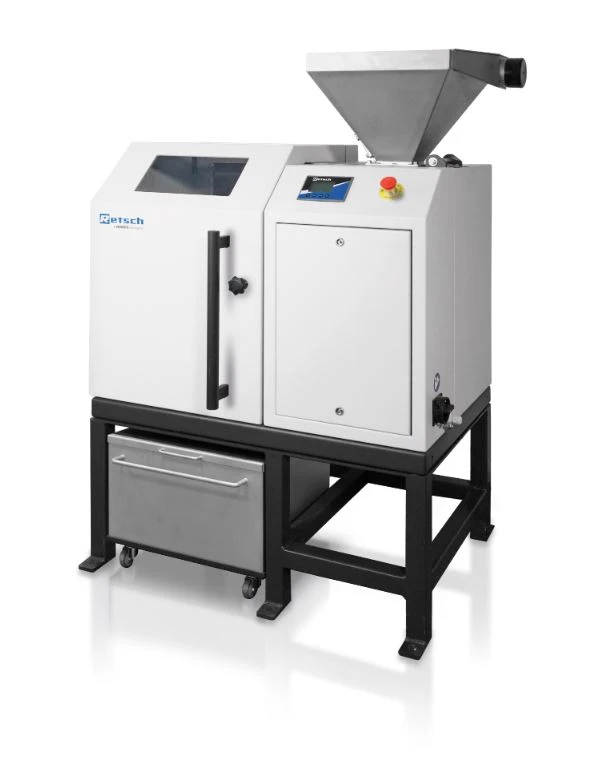
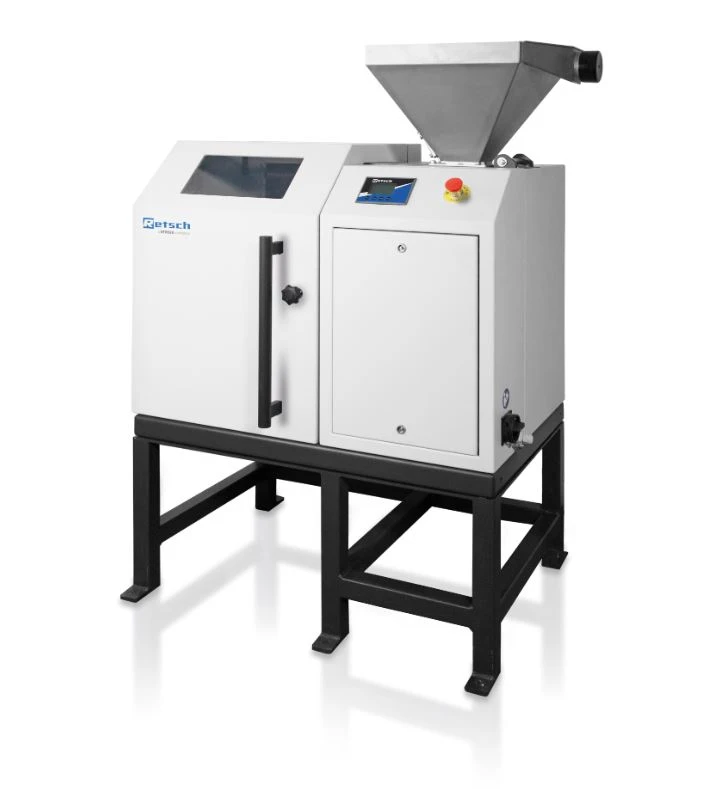
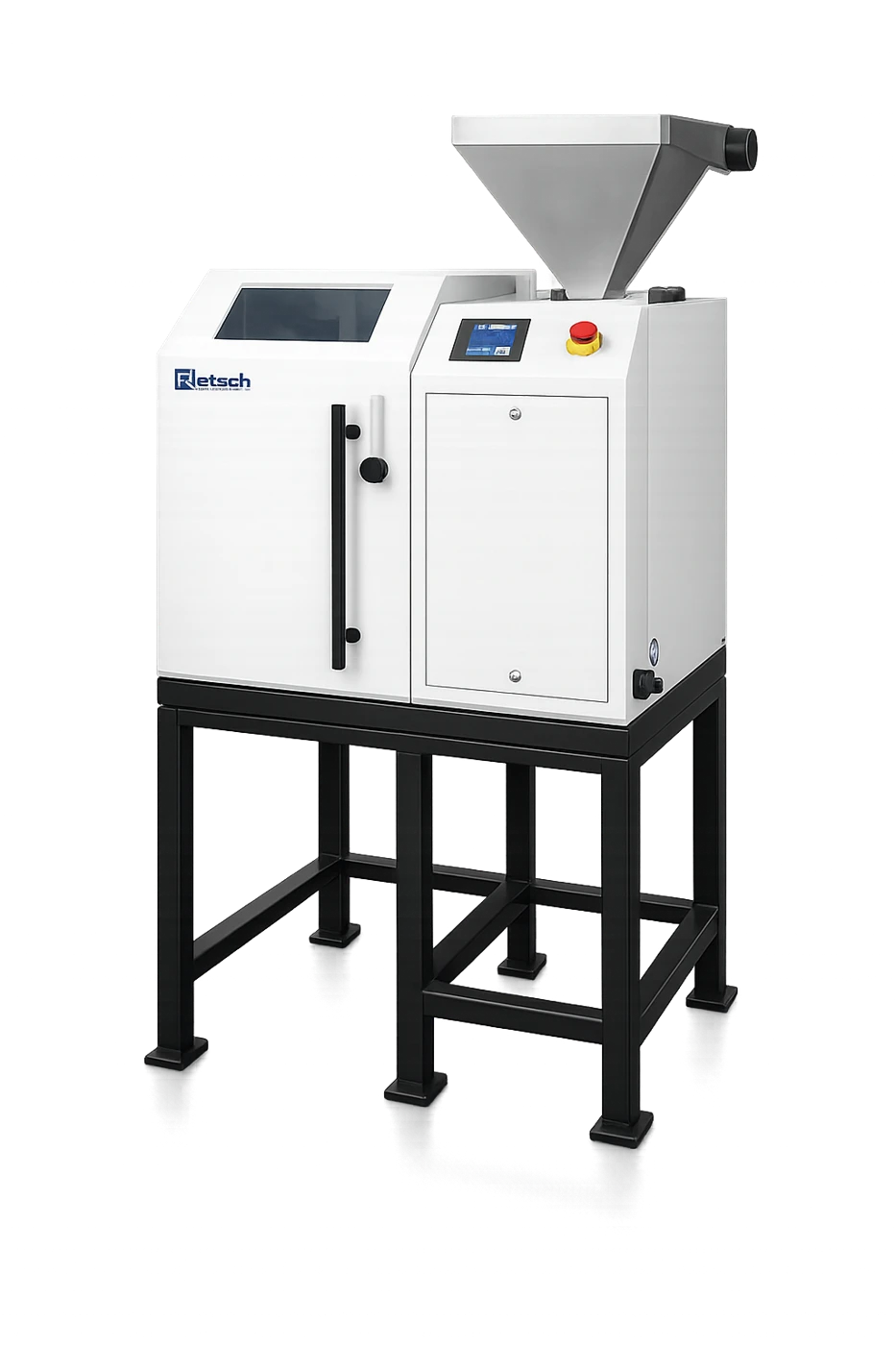
PT 300.
Rotating Sample Divider.

A faultless and comparable analysis is closely linked to accurate sample handling. Only a sample representative of the initial material can provide meaningful analysis results. Rotating sample dividers ensure the representativeness of a sample and thus the reproducibility of the analysis.

PT 300 rotating sample divider
Material feed size<= 30 mm
Rotary speed18 – 53 min-1
Hopper volumedepending on configuration: up to 30 l / 60 l
Volume of reject collector70 l

THE PRODUCT IN FOCUS

Model overview

A faultless and comparable analysis is closely linked to accurate sample handling. Only a sample representative of the initial material can provide meaningful analysis results. Rotating sample dividers ensure the representativeness of a sample and thus the reproducibility of the analysis.

The rotating sample divider PT 300 is specially designed for representative, dust-free division and volume reduction of large amounts of powdered or granular bulk materials. The selection of different dividing modules determines the dividing ratio and the sample amount. The PT 300 is available in configurations for the division of either 30 l or 60 l sample material.
PERFORMANCE & OPERATION

Features. Operation. Handling.

PRODUCT ADVANTAGES

  • Exact division, also of large quantities
  • Modular design
  • Variable speed 18 – 53 rpm
  • Extraction of 4 – 10 samples for batch processing
  • Extraction of 1 sample for continuous processing with reject
  • Hopper design ensures easy flow control and cleaning
  • Inspection window with light facilitates monitoring of sample division process
  • Vibratory feeder with push-fit feed chute for easy cleaning
  • Removable base frame allows for variable operation height
PT 300 rotating sample divider

FUNCTIONAL PRINCIPLE

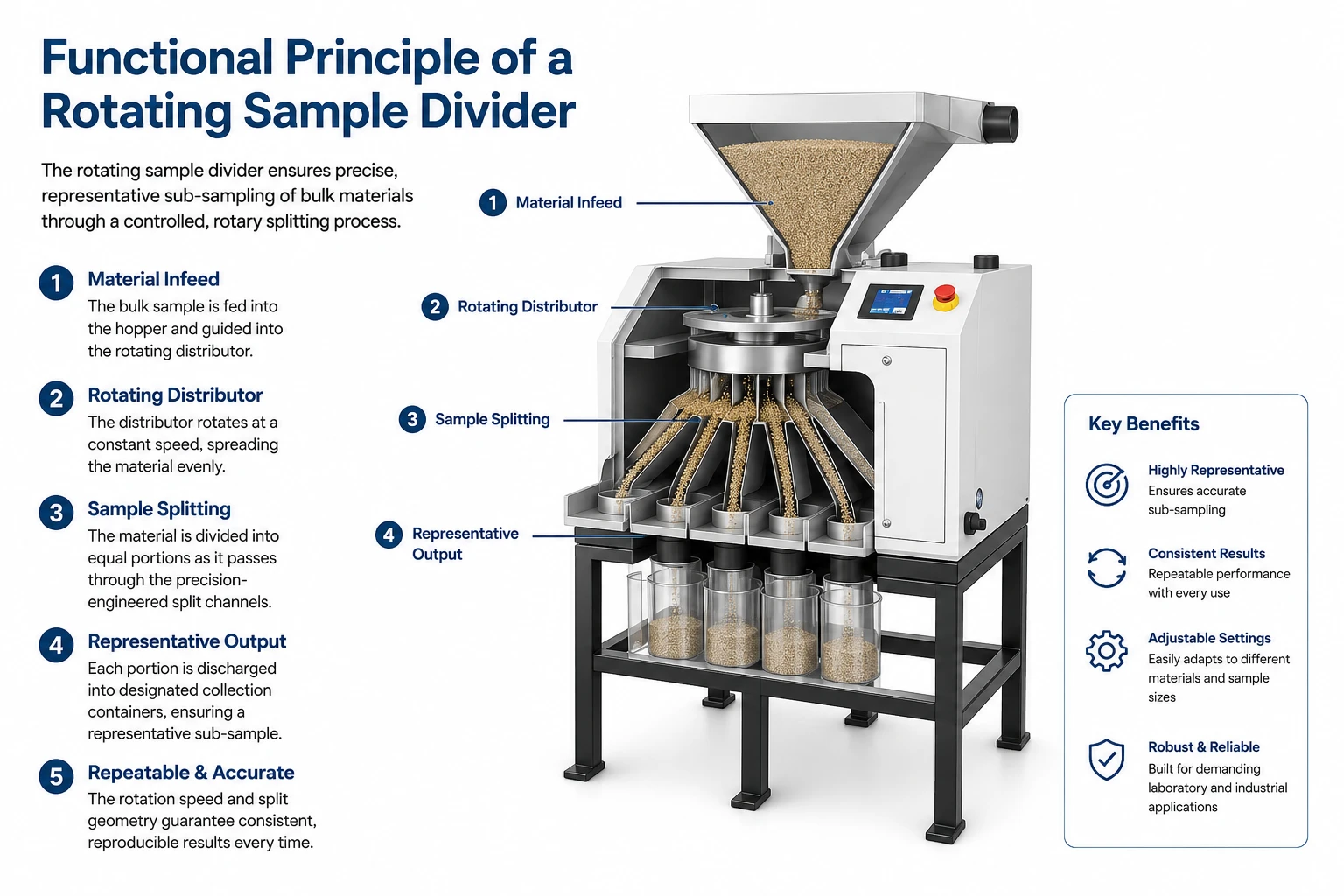
The sample is fed as a continuous stream at a controlled rate via the chute. Either one part sample is extracted or the stream is divided into equal segments by the action of a “circle” of segmental buckets rotating beneath it. The unit operates in accordance with internationally recognized sampling protocols and divides samples in a representative and reproducible way.

Two modules in one machine allow for both batch-processing and continuous sampling with reject. Due to a range of various segment size combinations a variety of volumes can be divided (no additional machine needed).

CLick for larger image

PT 300 Rotating Sample Divider illustration 1

TECHNICAL INFORMATION

Specifications & reference data

TECHNICAL DATA

Applications sampling, sample division, sample reduction
Field of application agriculture, biology, chemistry / plastics, construction materials, engineering / electronics, environment / recycling, food, geology / metallurgy, glass / ceramics, medicine / pharmaceuticals
Feed material bulk materials
Material feed size* <= 30 mm
Rotary speed 18 – 53 min-1
Hopper volume depending on configuration: up to 30 l / 60 l
Number of divisions 30 l configuration:
batch processing: 4/ 6 / 8 / 10 (depending on dividing module)
processing with reject: 160l configuration:
batch processing: 4 / 6 / 8 / 10 (depending on dividing module)
processing with reject: 1
Time setting digital
Volume of reject collector 70 l
Volume of segments for batch wise operation 30 l configuration:
3,000 ml / 3,750 ml / 5,000 / 7,500 ml (depending on dividing module)60 l configuration:
6,000 ml / 7,500 m l / 10,000 / 15,000 ml (depending on dividing module)
Adjustment vibratory feeder digital
Electrical supply data 100-120 V, 50/60 Hz; 200-240 V, 50/60Hz
Power connection 1-phase
Power consumption 500 VA
W x H x D 30 l configuration: 1180 x1510 x 750 mm
60 l configuration: 1180 x1620 x 750 mm
Net weight 30 l configuration: ~ 209 kg (incl. vibratory feeder)
60 l configuration: ~ 230 kg (incl. vibratory feeder)
Standards CE

*depending on feed material and instrument configuration/settings

YOUR MATERIAL. YOUR NEXT STEP.

Put the process
to the material test.

Tell us what you’re processing and what needs to change. We’ll help define the equipment, accessories and a useful trial.

  • Material and starting particle size
  • Target fineness and required quantity
  • Temperature, purity and cleaning requirements