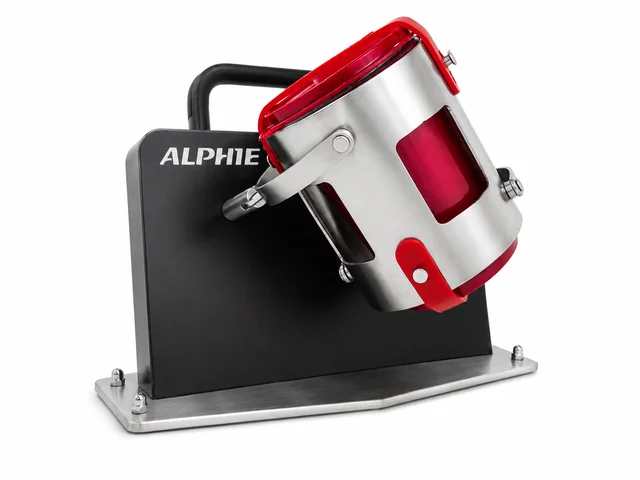
 Alphie 2 Liter Manual Powder Blender ↗
Hands-on formulation.
2 L nominal; manual operation · Maximum mixing mass: 2 kg (configuration dependent)

HOMOGENEOUS BLENDS
Low-shear blending approaches for development and production-scale powder handling.
A PRACTICAL SELECTION HELPER
Compare manual, programmable and engineered production blenders using your working batch volume and mass. Keep density, useful fill and material handling in the decision.
Alphie 2 Liter Manual Powder Blender ↗Hands-on formulation.
2 L nominal; manual operation · Maximum mixing mass: 2 kg (configuration dependent)
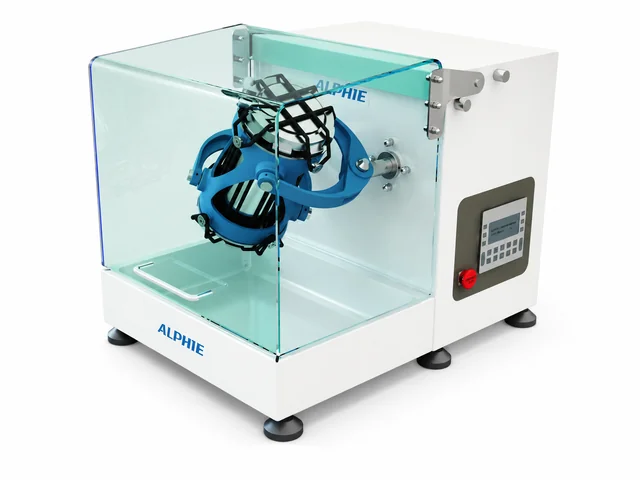 Alphie 3 Powder Blender ↗
Move from formulation to a controlled blending cycle.
3 L nominal / 2.4 L reference effective volume · Maximum mixing mass: 5 kg
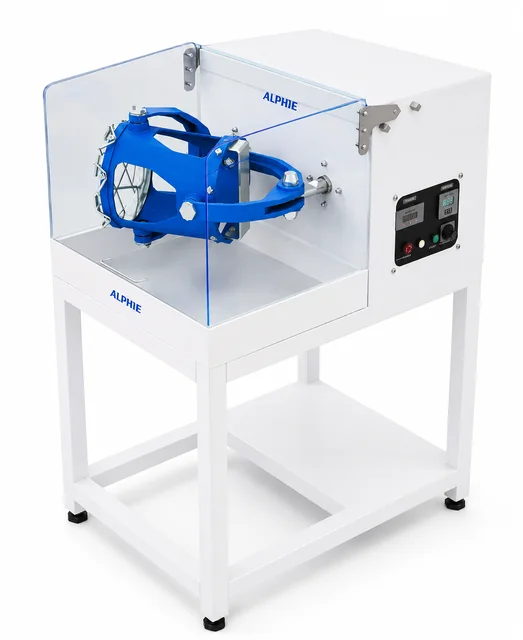 Alphie 10 Powder Blender ↗
Develop a larger laboratory batch with the same container-based approach.
10 L nominal / 8 L reference effective volume · Maximum mixing mass: 15 kg
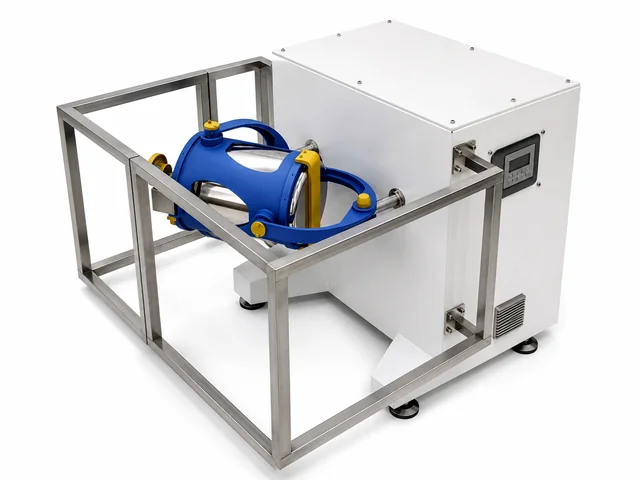 Alphie 20 Powder Blender ↗
Take your formulation into the pilot batch.
20 L nominal / 16 L reference effective volume · Maximum mixing mass: 30 kg
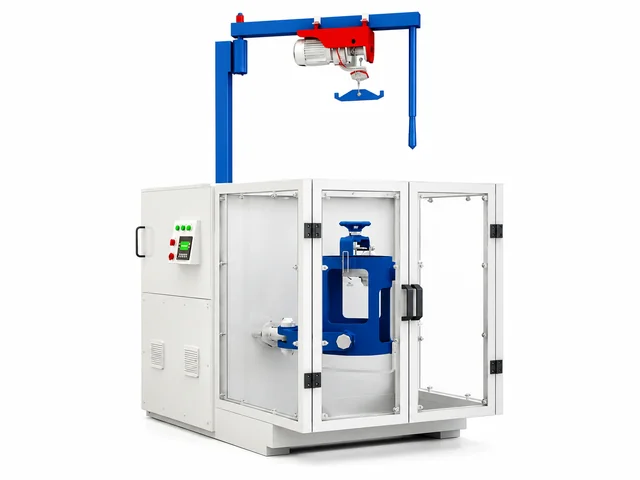 Alphie 35 Liter Powder Blender ↗
Build process knowledge at a larger batch size.
35 L nominal / 28 L reference effective volume · Maximum mixing mass: 60 kg (configuration dependent)
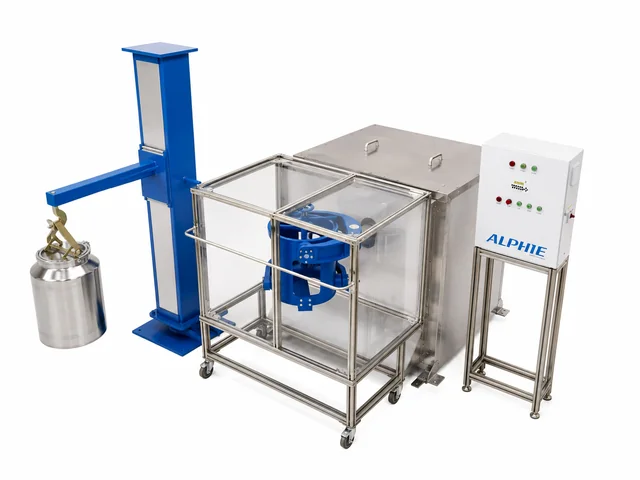 Alphie 50 Powder Blender ↗
Bridge pilot development and small production.
50 L nominal / 40 L reference effective volume · Maximum mixing mass: 90 kg (configuration dependent)
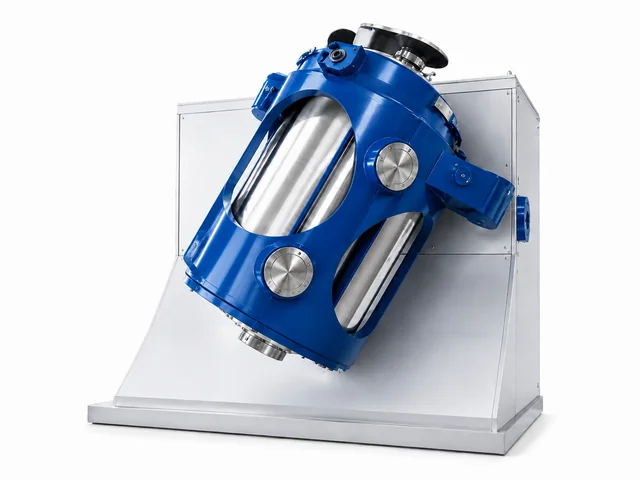 Alphie production systems ↗
Engineered larger-batch systems with removable or fixed containers. Specify the working volume, bulk density, load and handling together.
Published nominal range starts at 100 L and extends beyond 1,500 L
SELECT A PROCESS. THEN A CONFIGURATION.
The appropriate model and operating approach depend on the application. Share the result you need so the team can help narrow the options.
Explore powder mixing & blendingExplore model information, then confirm suitability, configuration, availability and a quotation with the team.
Browse current modelsBEFORE YOU SELECT
Material evaluation can help connect the processing principle to the result you need.
LET’S MOVE YOUR MATERIAL FORWARD
Share the result you need. We’ll help you find a practical next step.