YOUR MATERIAL. YOUR NEXT BREAKTHROUGH.Explore free feasibility testing →

ULTRASONIC CELL DISRUPTION

Ultrasonic energy.
Built around your sample.

Explore probe-based cell disruption, larger-batch processing and dedicated chromatin or DNA shearing. Compare seven systems by sample format, working volume and control requirements.

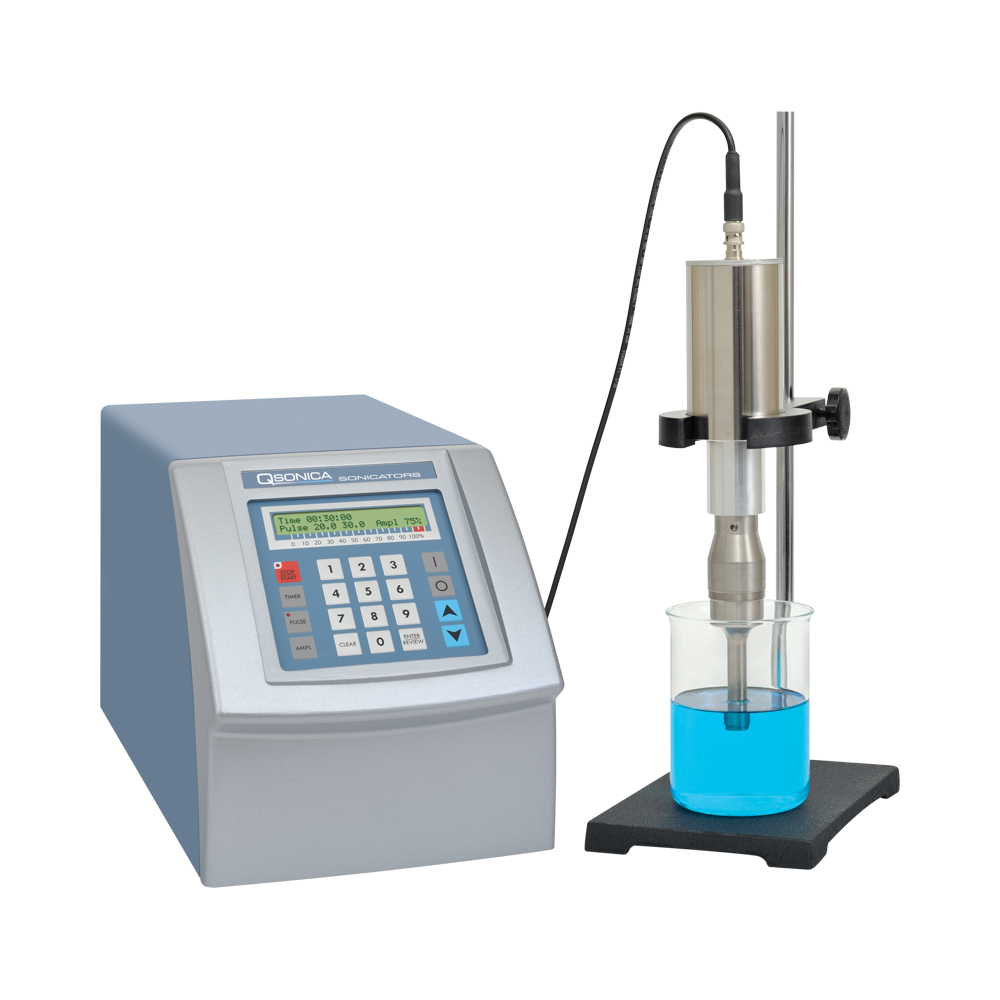
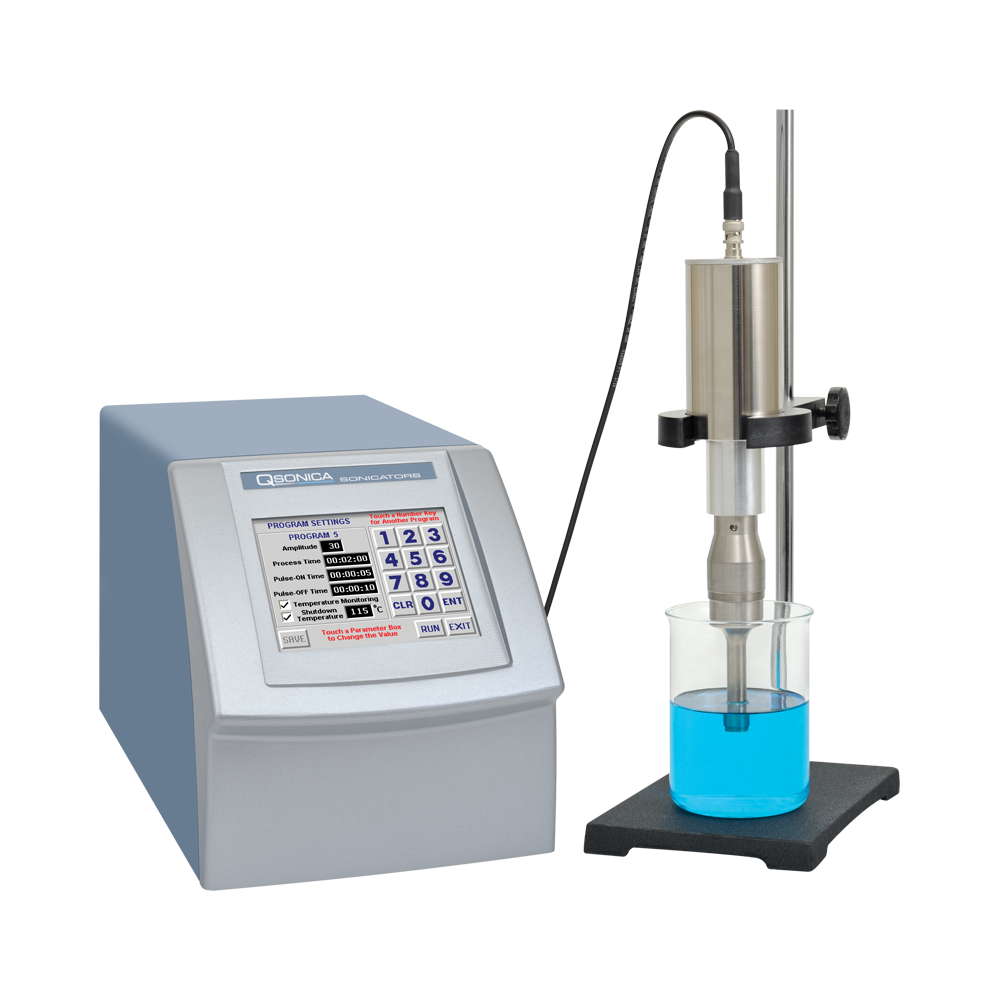
Q700 ultrasonic processor with probe and support stand

START WITH THE SAMPLE

Match the processing format.

Ultrasound generates cavitation in a liquid. The appropriate system depends on the biological sample, the desired recovery and how ultrasonic energy reaches the sample.

Direct probe sonication

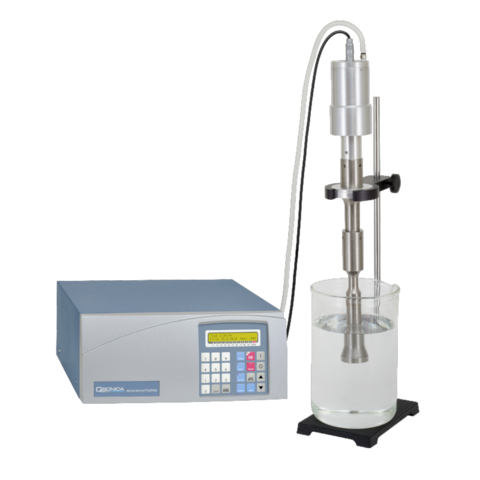
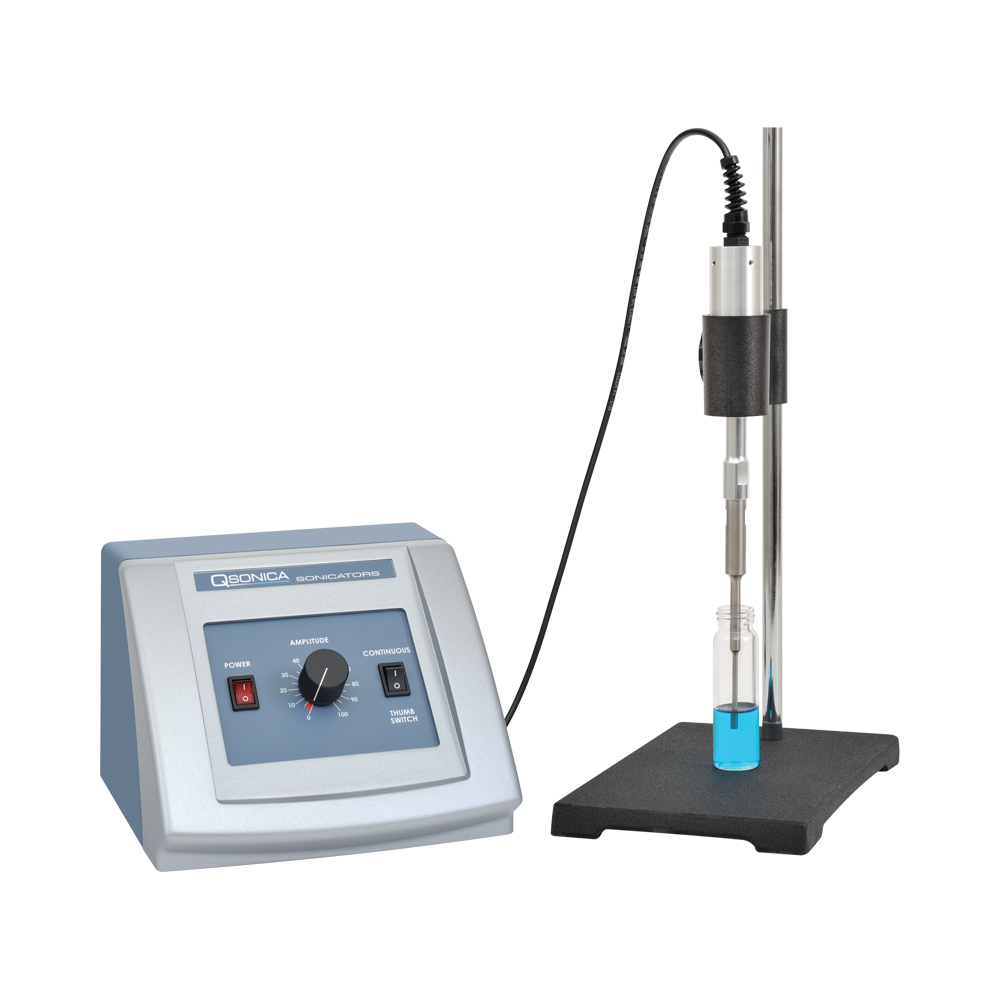
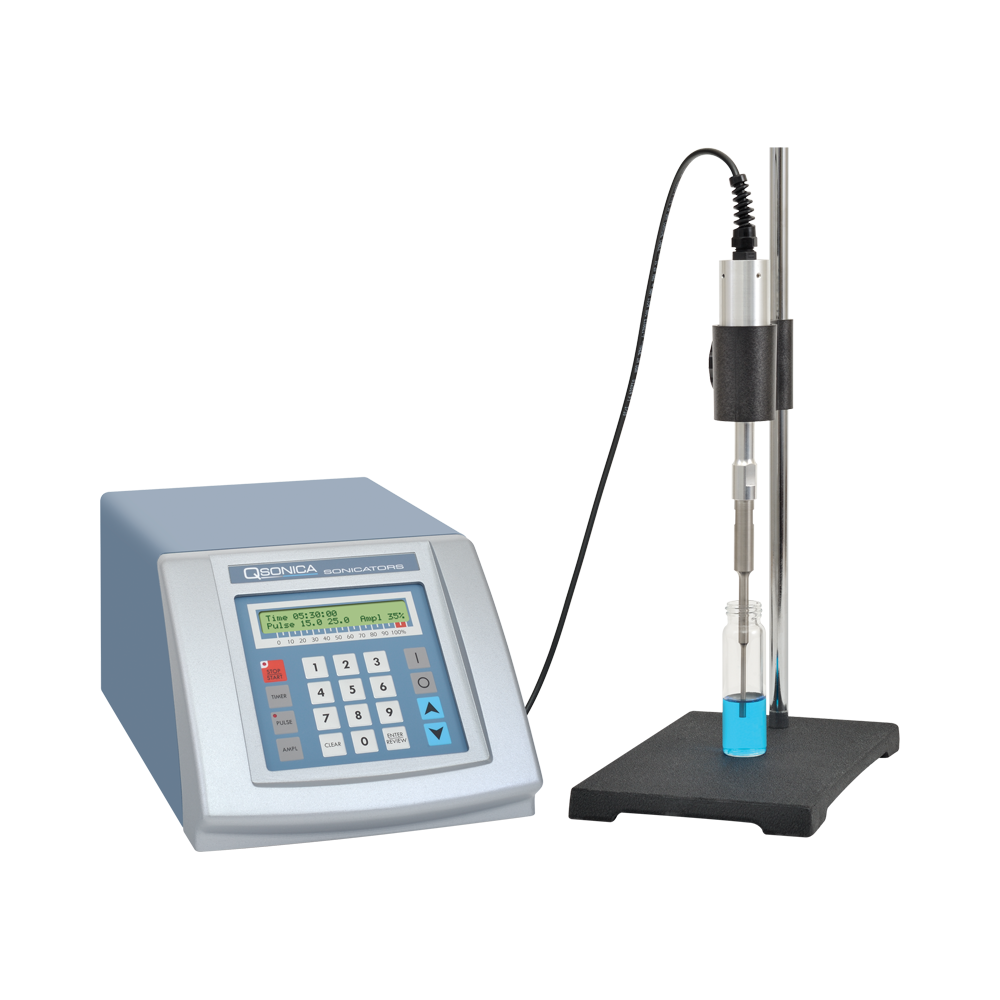
A probe transfers ultrasonic energy directly into the liquid. Laboratory systems cover routine cell disruption, homogenization and suitable nucleic acid shearing applications, with probe selection matched to volume.

Compare laboratory systems →
Sealed-tube shearing

A dedicated cooled system processes chromatin and DNA in commercially available tubes. Rack format, sample volume and desired fragment size guide the configuration.

Explore DNA & chromatin shearing →

Larger-batch processing

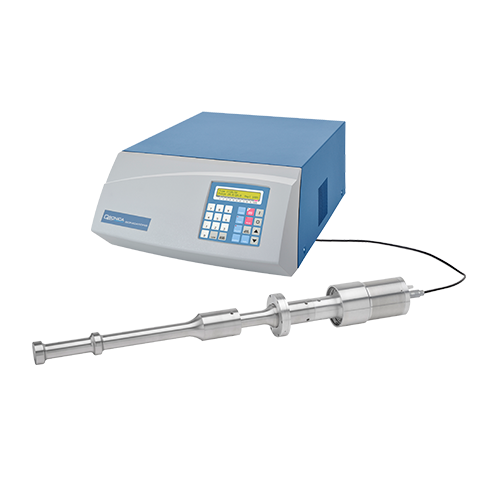
Higher-power systems support application-dependent larger volumes. Direct probes and available flow-cell configurations require review of the sample, cooling and utilities.

Explore larger-batch systems →

CHROMATIN & DNA

Parallel shearing in sealed tubes.

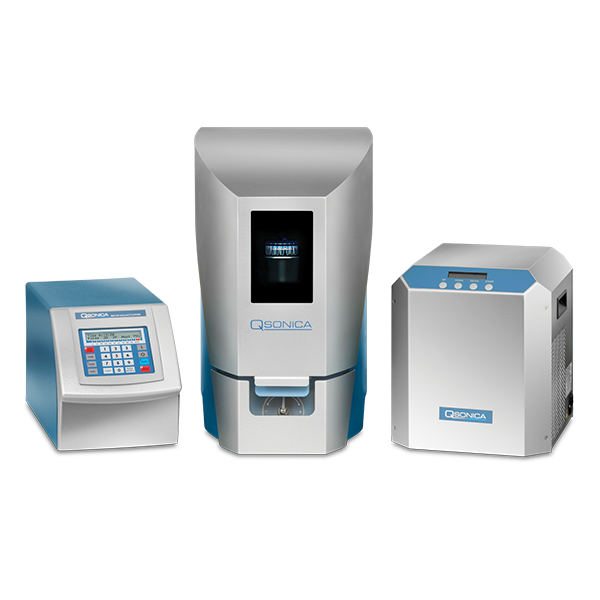
The Q800R3 combines high-intensity ultrasound, rotating tube handling, a chiller and a sound-reducing enclosure. It accommodates 50 µL to 1 mL per tube and up to 18 samples with the appropriate rack.

The stated DNA fragment range is 150 bp to 3 kb. Tube compatibility, rack capacity and sample preparation determine the appropriate setup.

View chromatin and DNA protocol reference data →

THE RANGE AT A GLANCE

Compare ultrasonic systems.

Power, processing volume and control
SystemRated powerVolume referenceControl / format
Q700 Sonicator →700 WUp to 2 L, low-viscosity liquidsTouchscreen; stored programs and sequences
Q500 Sonicator →500 WUp to 1 LProgrammable, pulsed output
Q125 Sonicator →125 WUp to 50 mLProgrammable, pulsed output
Q55 Sonicator →55 WUp to 50 mLManual thumb-switch or continuous
Q2000 Sonicator →2,000 WApproximately 5-20 L; application dependentProgrammable; batch or flow-cell configuration
Q2500 Sonicator →2,500 WApproximately 5-20 L; application dependentProgrammable; high-intensity probe
Q800R3 Sonicator →750 W50 µL to 1 mL per tubeCooled sealed tubes; rotating sample system

Maximum power and maximum volume are reference values, not a guarantee of processing performance. The Q2000 standard 1.5 in probe is listed for 10-20 L; alternative probes cover smaller volumes. Confirm sample cooling, vessel geometry, viscosity and concentration for the intended method.

CONFIGURATION & SAMPLE INTEGRITY

The sample guides the setup.

  • Cell or tissue type, concentration and desired downstream recovery
  • Liquid volume, tube or vessel geometry and single- or multi-sample format
  • Probe, microtip, cup horn or tube rack compatibility
  • Temperature monitoring, cooling and sensitivity to heat or shear
  • Sound enclosure, support stand and facility utilities

Available components are pictured and described on each product page. Discuss the complete setup with Glen Mills for your specific biological sample.

GLEN MILLS APPLICATION SUPPORT

Find the right ultrasonic starting point.

Share your sample type, volume, temperature constraints and target result.

Discuss ultrasonic cell disruption