Accept larger feed
The published feed limit is below 100 mm. Throughput can reach 1,500 kg/h with suitable material and configuration.

RETSCH / HAMMER MILL
A rugged dry-milling option for coarse reduction and deagglomeration of medium-hard, hard, brittle, tough and fibrous samples. Compare batch collection with a continuous gravity outlet for larger workflows.
THE MODEL IN FOCUS
The published feed limit is below 100 mm. Throughput can reach 1,500 kg/h with suitable material and configuration.
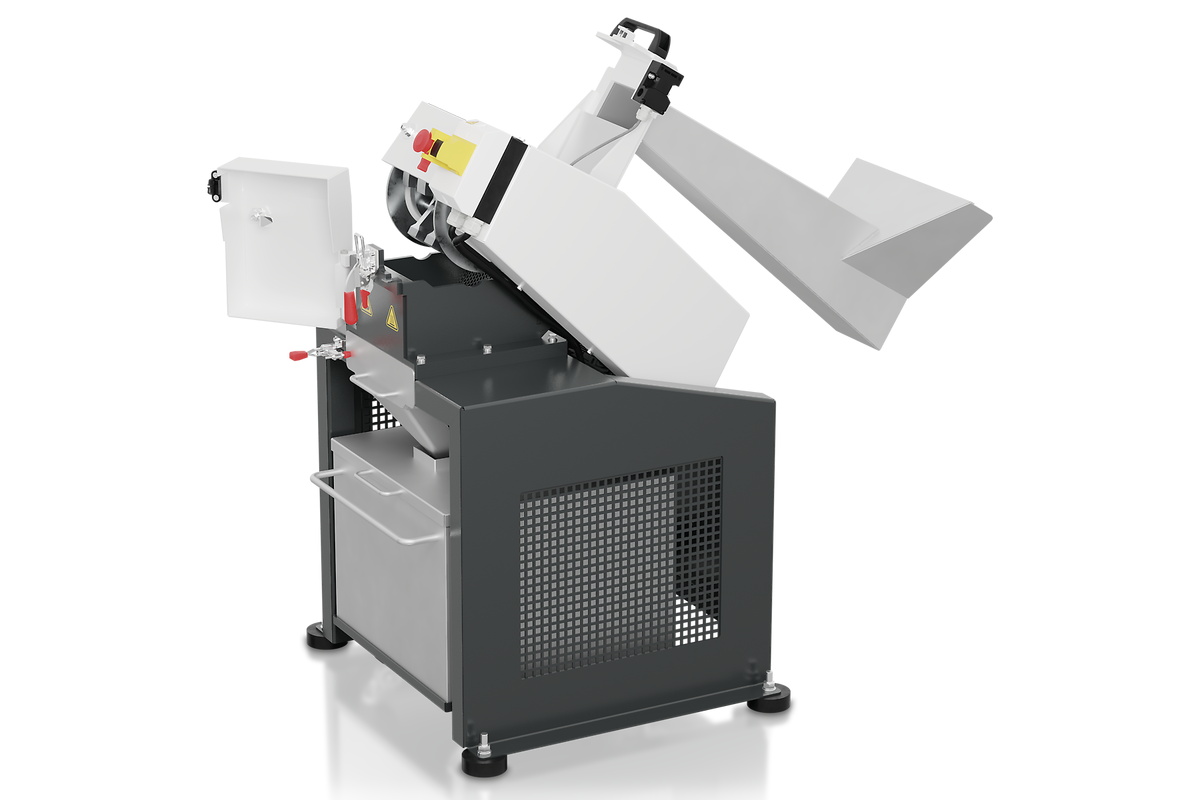
Ten freely swinging hammers act on the sample. The 200 mm rotor reduces material by impact and shearing.
Compare 10 L and 30 L collectors with a gravity outlet for a customer-specific continuous collection system.
The hopper and chamber open for cleaning. Wear plates and the swing-hammer rotor are serviceable components.
*Published feed limits, fineness and throughput depend on the material, sieve, speed and configuration. Sieve aperture is not the final particle size, and maximum throughput and finest output are not simultaneous guarantees.
CAPACITY & SIZE REDUCTION
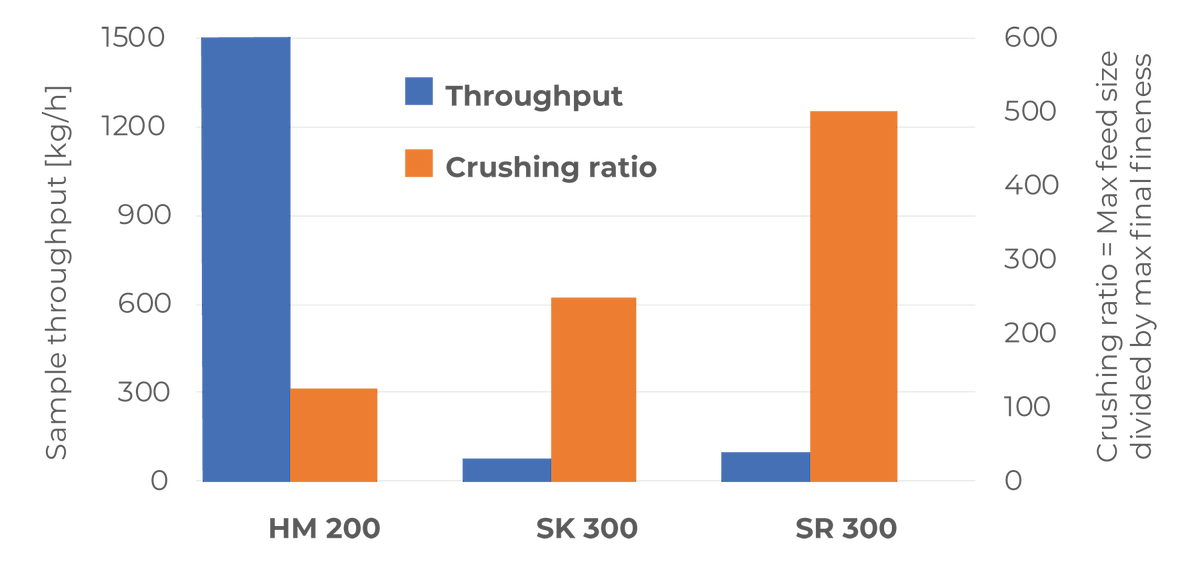
The HM 200 processes large sample volumes in batches or continuously, with throughput up to 1,500 kg/h depending on the material and configuration. It combines a feed size below 100 mm with achievable final fineness below 0.8 mm.
The comparison shows the trade-off: the HM 200 favors throughput and larger feed, while the SR 300 and SK 300 accept feed below 25 mm and achieve finer output, below 0.05 mm and 0.1 mm respectively.
A crushing ratio of 125 expresses the HM 200's maximum feed size divided by its finest achievable grind size. These limits describe the range, rather than a guaranteed result in a single run.
SIEVE SELECTION
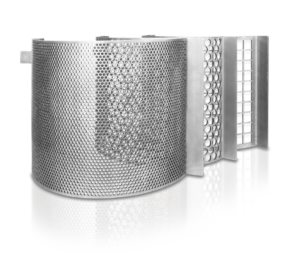
Choose the sieve to suit the sample and required result. Hard, brittle materials can be reduced to below 0.8 mm, depending on their properties. Sieve aperture and final particle size are different measurements.
Medium to large apertures can suit tough, fibrous or moist samples, including plastic toys, wood and humid coal. Select the opening through a material trial; the HM 200 is specified for dry grinding.
CYCLONE SYSTEM
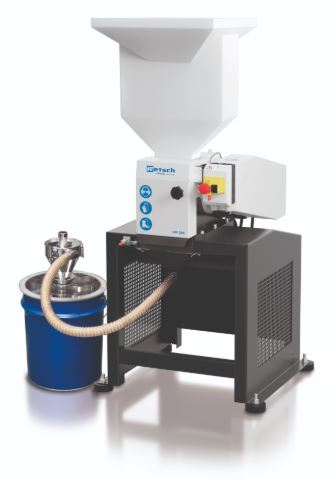
The optional cyclone system supports sample collection and dust control during crushing for mining, precious metals, materials research and environmental analysis.
FUNCTIONAL PRINCIPLE
A horizontal shaft carries ten freely swinging hammers. Impact against the hammers and chamber reduces the feed until it passes the selected sieve and falls into the collector or continuous outlet.
PUBLISHED TECHNICAL DATA
HM 200: hammer mill for medium-hard, hard, brittle, tough, fibrous samples.
Published feed limits, fineness and throughput depend on the material, sieve, speed and configuration. Sieve aperture is not the final particle size, and maximum throughput and finest output are not simultaneous guarantees. Confirm current electrical and installation requirements before ordering.
CONFIGURE THE WORKFLOW
TYPICAL SAMPLE MATERIALS
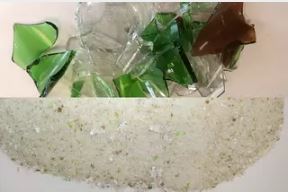
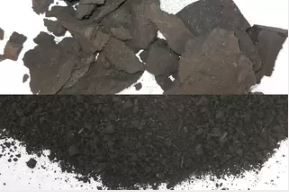
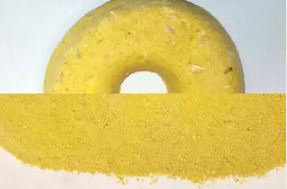
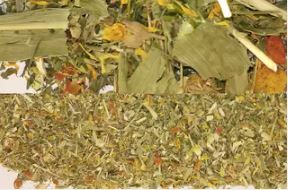
The HM 200 is suited to preliminary crushing and fine grinding of ores, granite, ceramics, quartz, slag, soil, coal, glass, cement clinker, wood, plastics, feed pellets, dry animal feed and dried herbs. The sieve, collection system and achievable result depend on the sample.
MODEL APPLICATION REVIEW
Share the starting size, desired fineness and quantity to process. We’ll review the milling route, tools, collection and opportunities for a material trial.
Discuss rental, prototyping or contract-processing availability for your application.
973 777 0777 ↗KEEP THE RANGE IN VIEW
Different feed, fineness and collection needs can point to another mill.
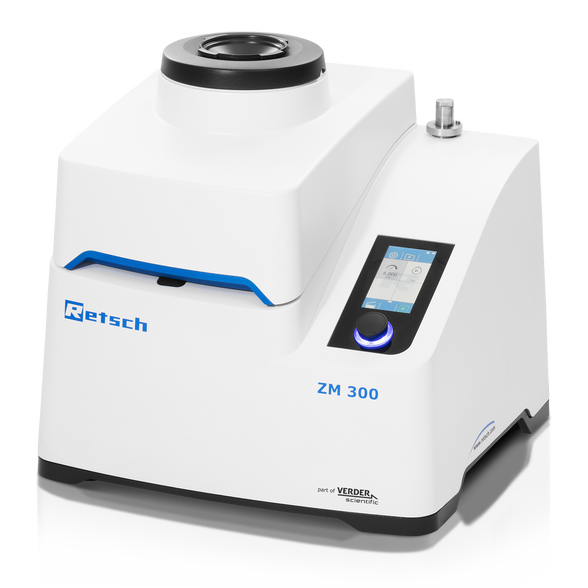
Ultra centrifugal mill
Fine analytical preparation and temperature-sensitive sample methods.
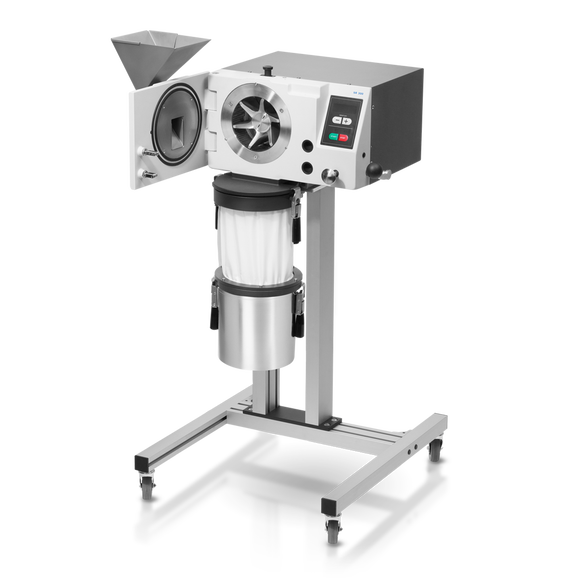
Rotor beater mill
Versatile dry grinding and deagglomeration with flexible collection.
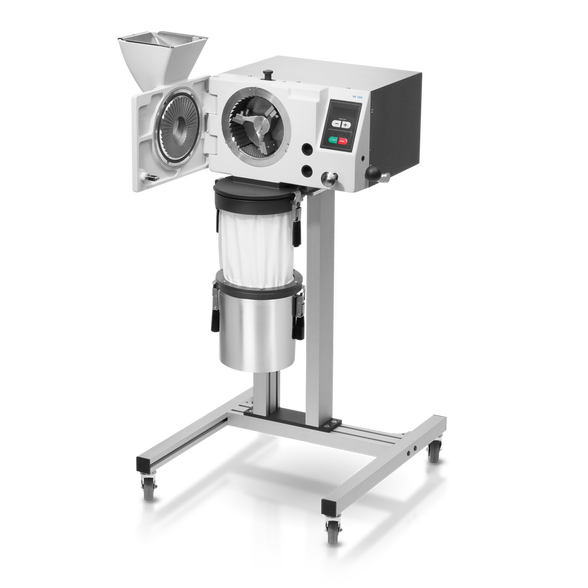
Cross beater mill
Medium-hard, brittle mineral, glass and ceramic sample preparation.